
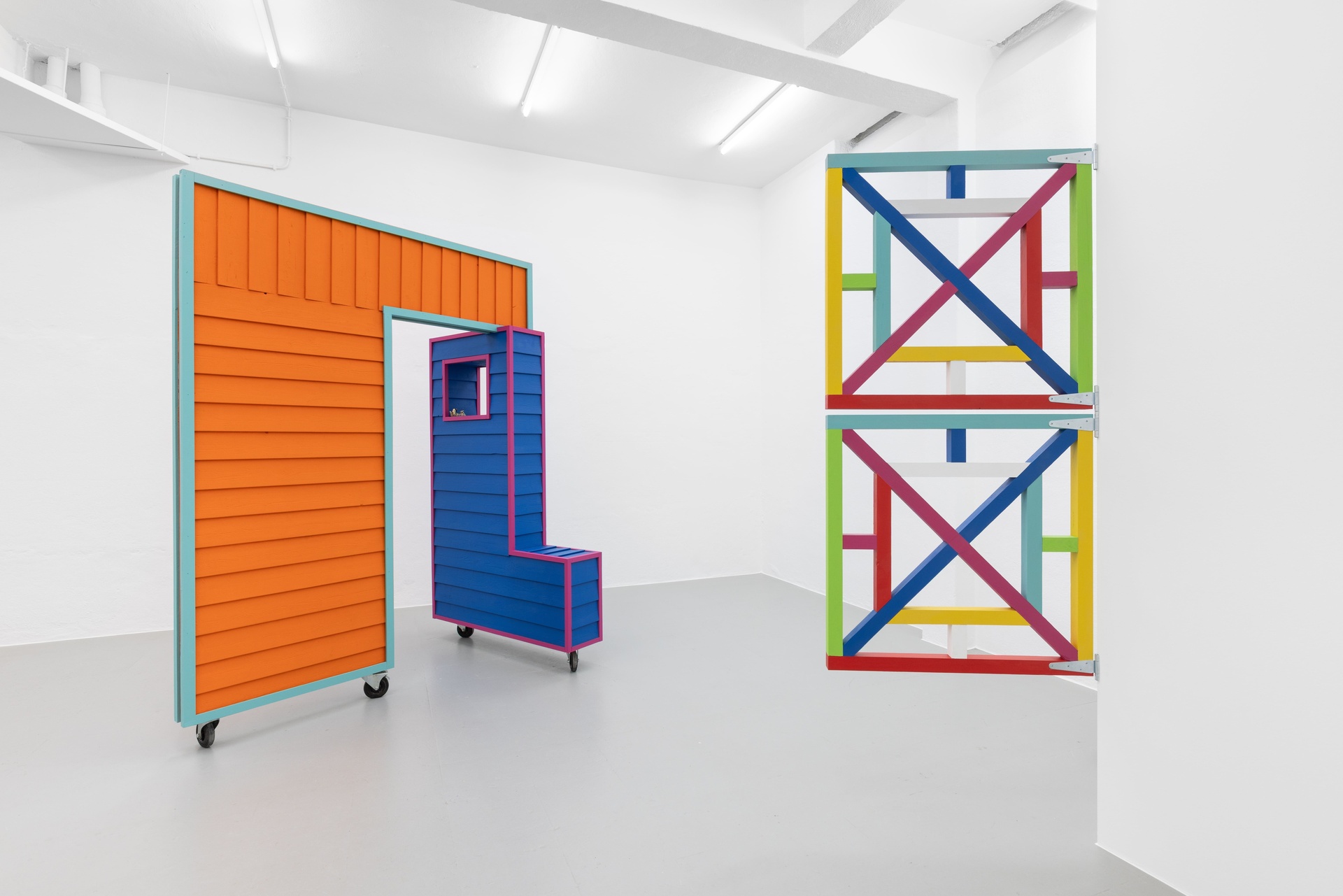
La Chantin, Cisco Merel, 2026. Installation. Kunsthalle Lissabon. Photo: Bruno Lopes
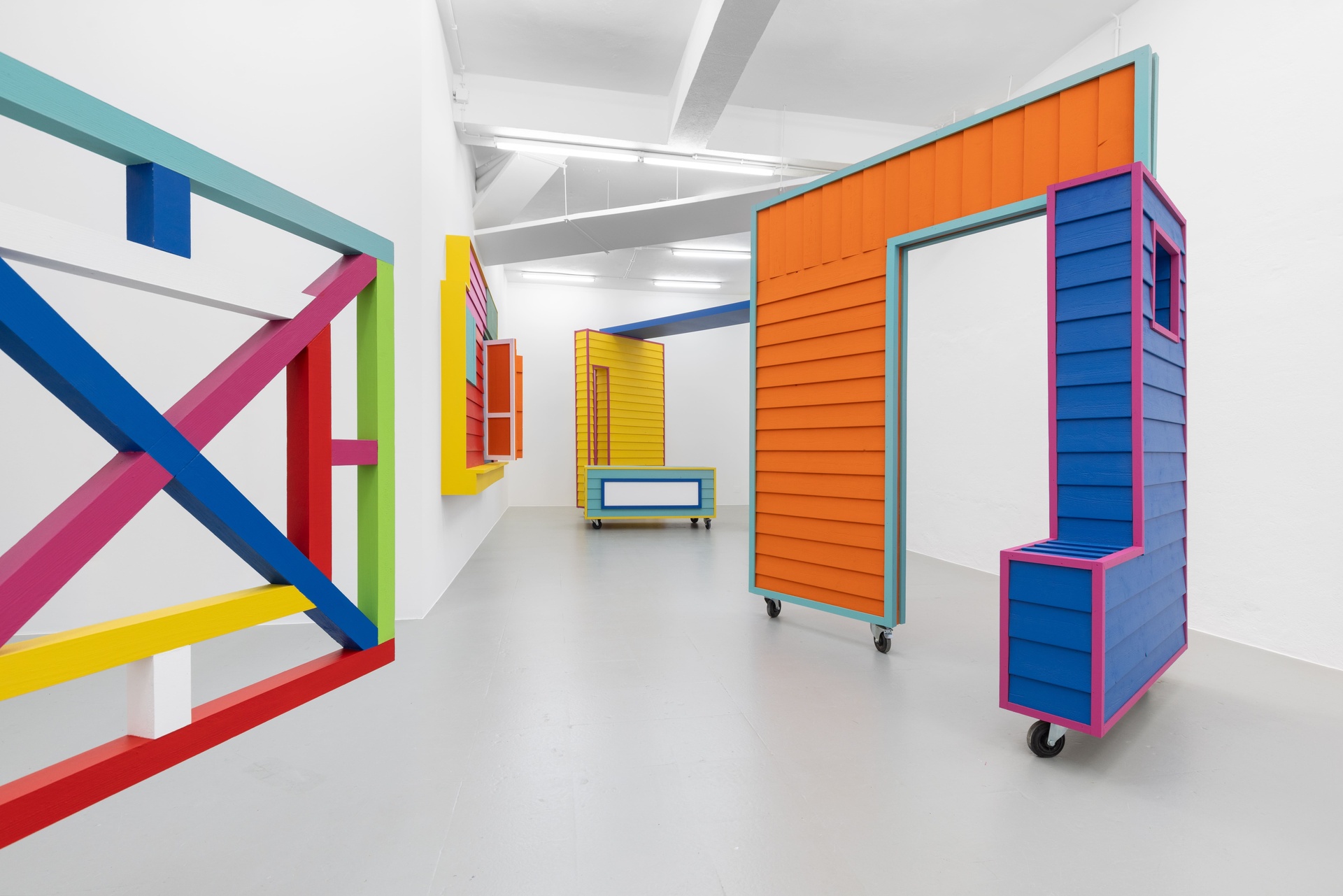
La Chantin, Cisco Merel, 2026. Installation. Kunsthalle Lissabon. Photo: Bruno Lopes
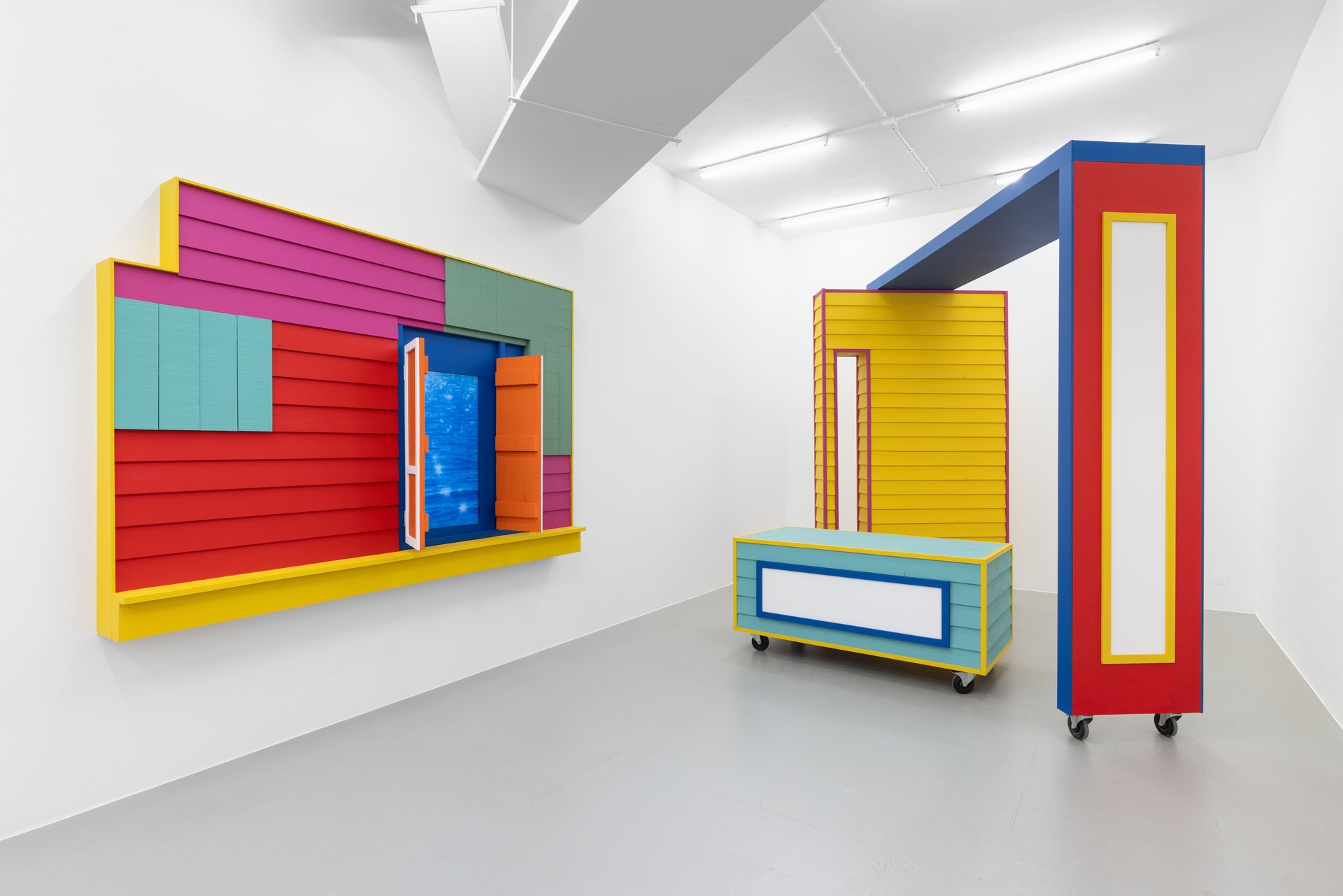
La Chantin, Cisco Merel, 2026. Installation. Kunsthalle Lissabon. Photo: Bruno Lopes
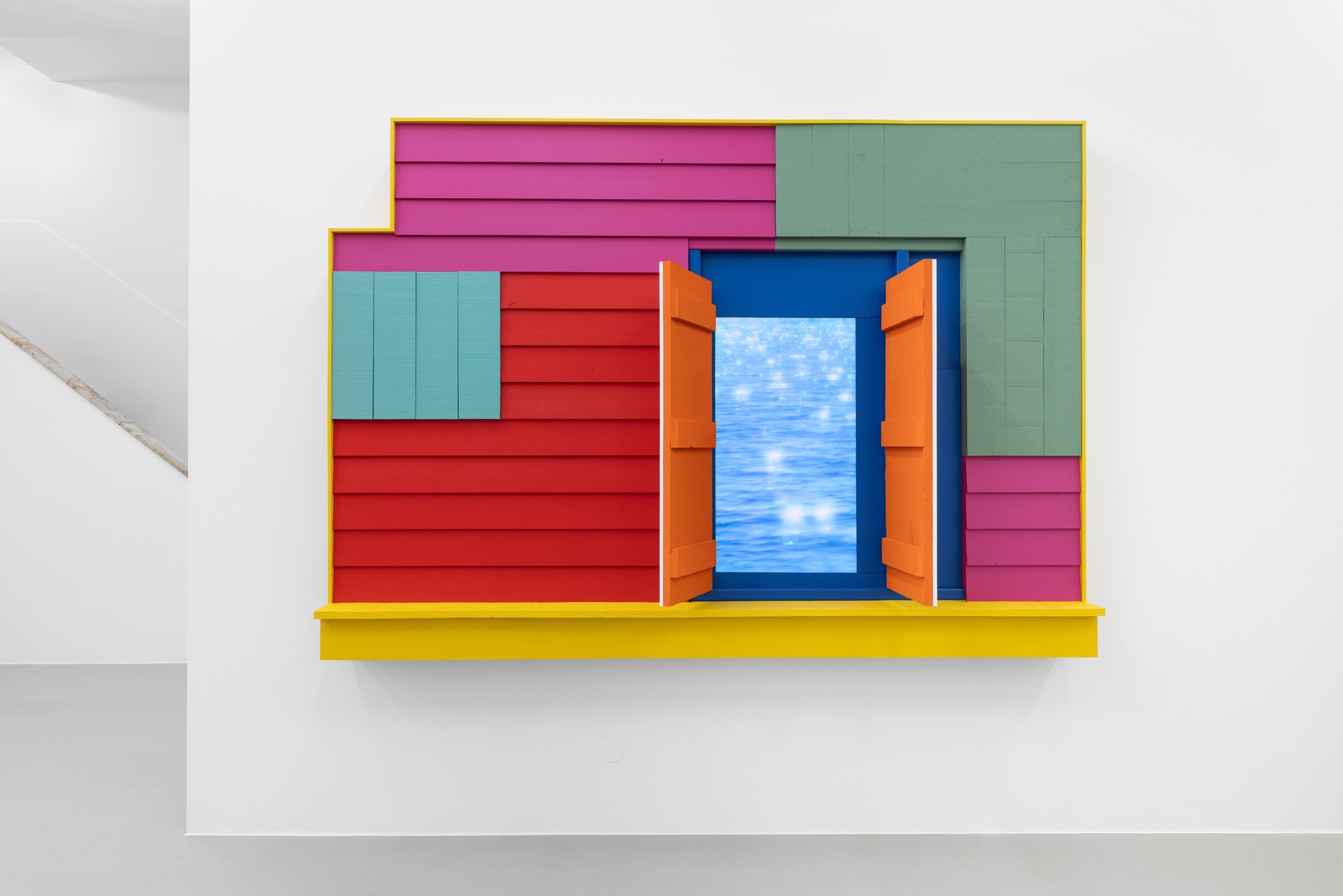
La Chantin, Cisco Merel, 2026. Installation. Kunsthalle Lissabon. Photo: Bruno Lopes
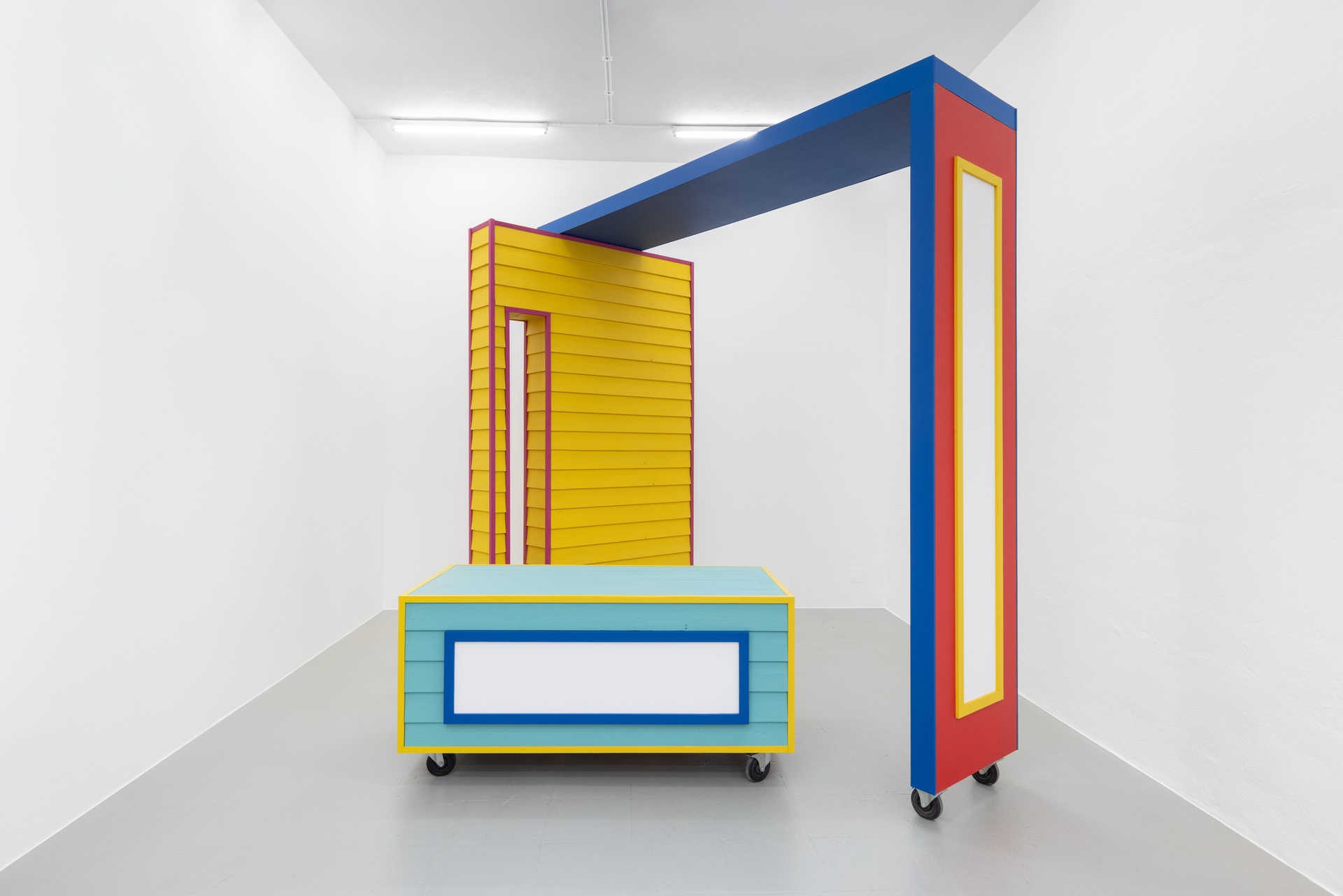
La Chantin, Cisco Merel, 2026. Installation. Kunsthalle Lissabon. Photo: Bruno Lopes
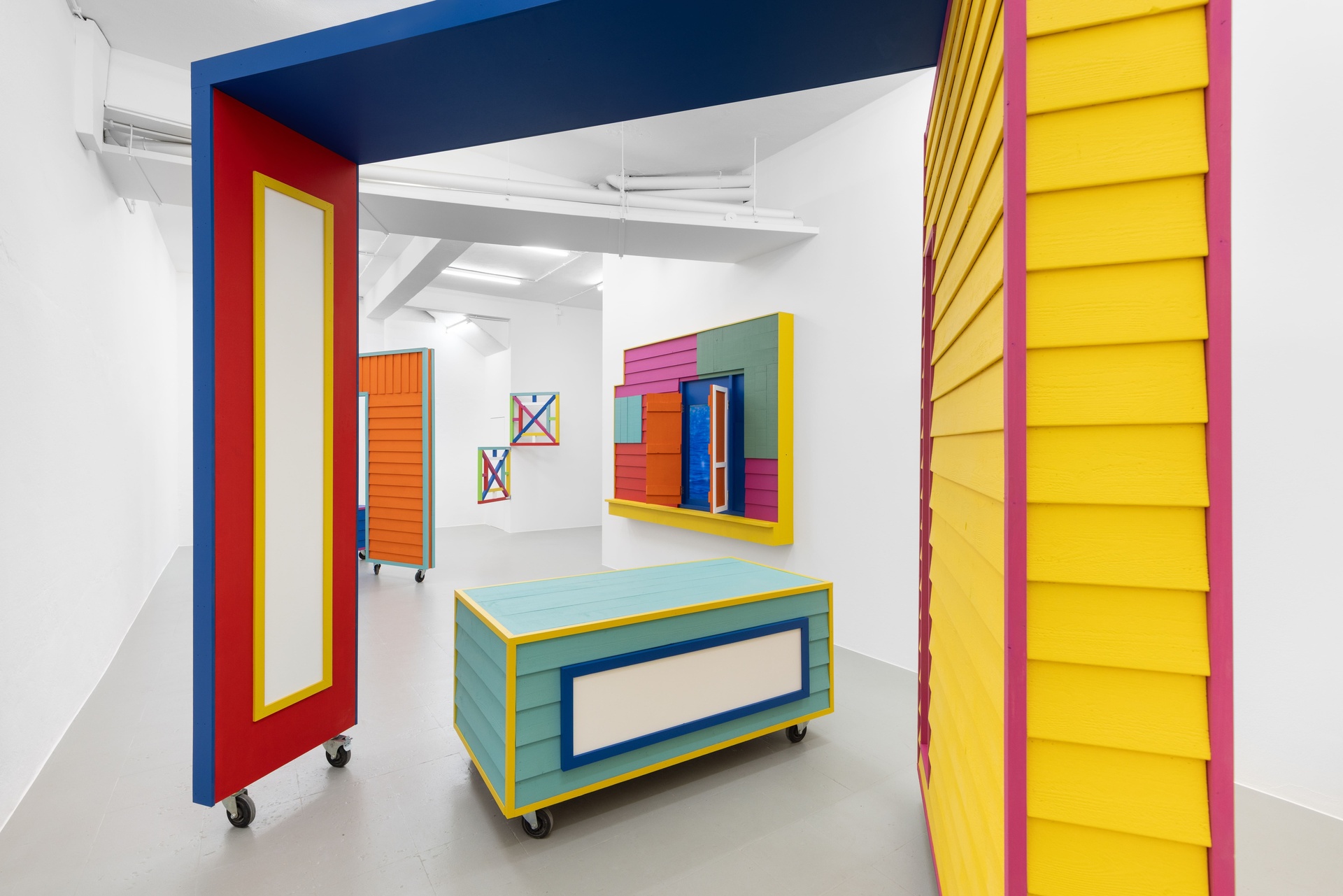
La Chantin, Cisco Merel, 2026. Installation. Kunsthalle Lissabon. Photo: Bruno Lopes
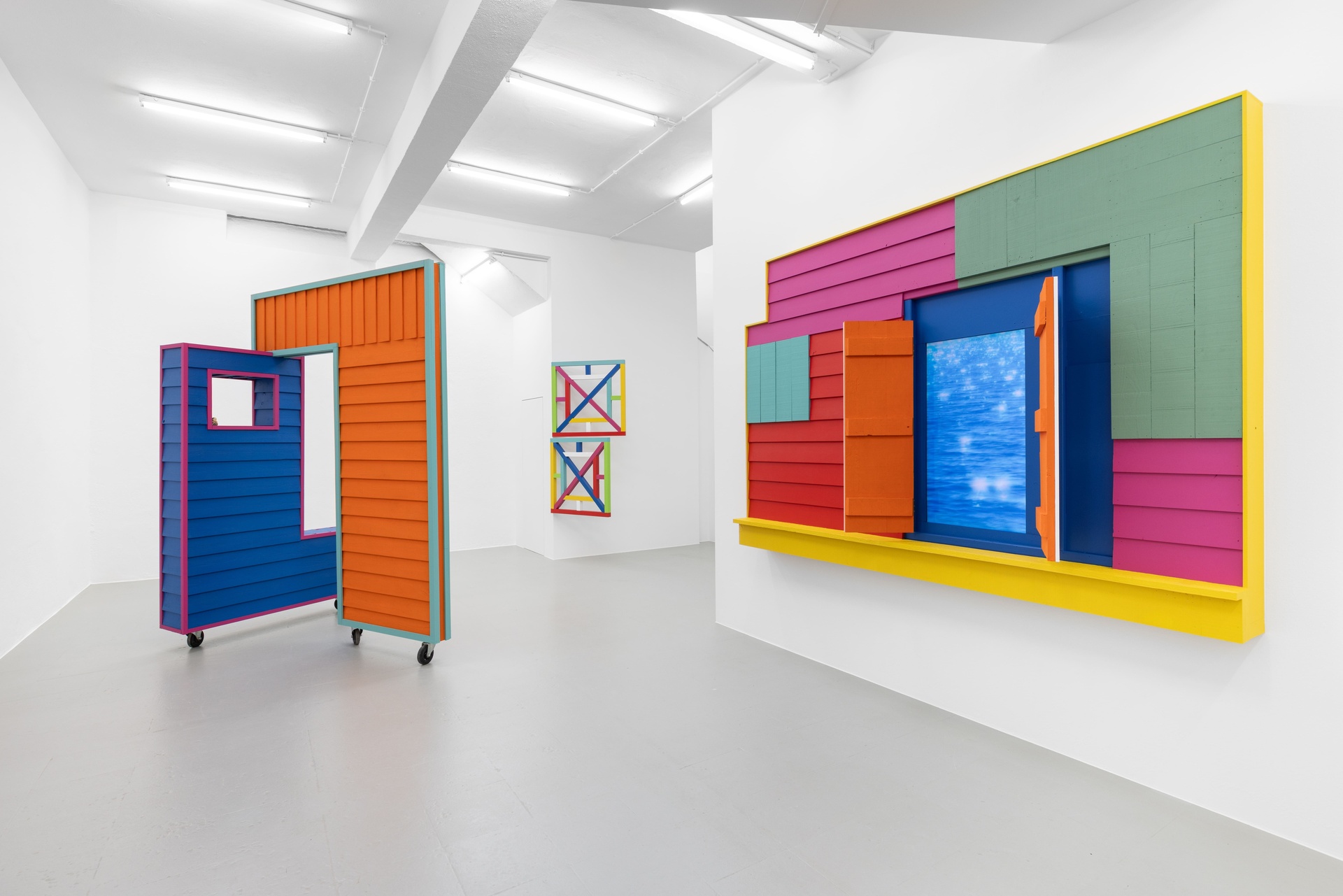
La Chantin, Cisco Merel, 2026. Installation. Kunsthalle Lissabon. Photo: Bruno Lopes
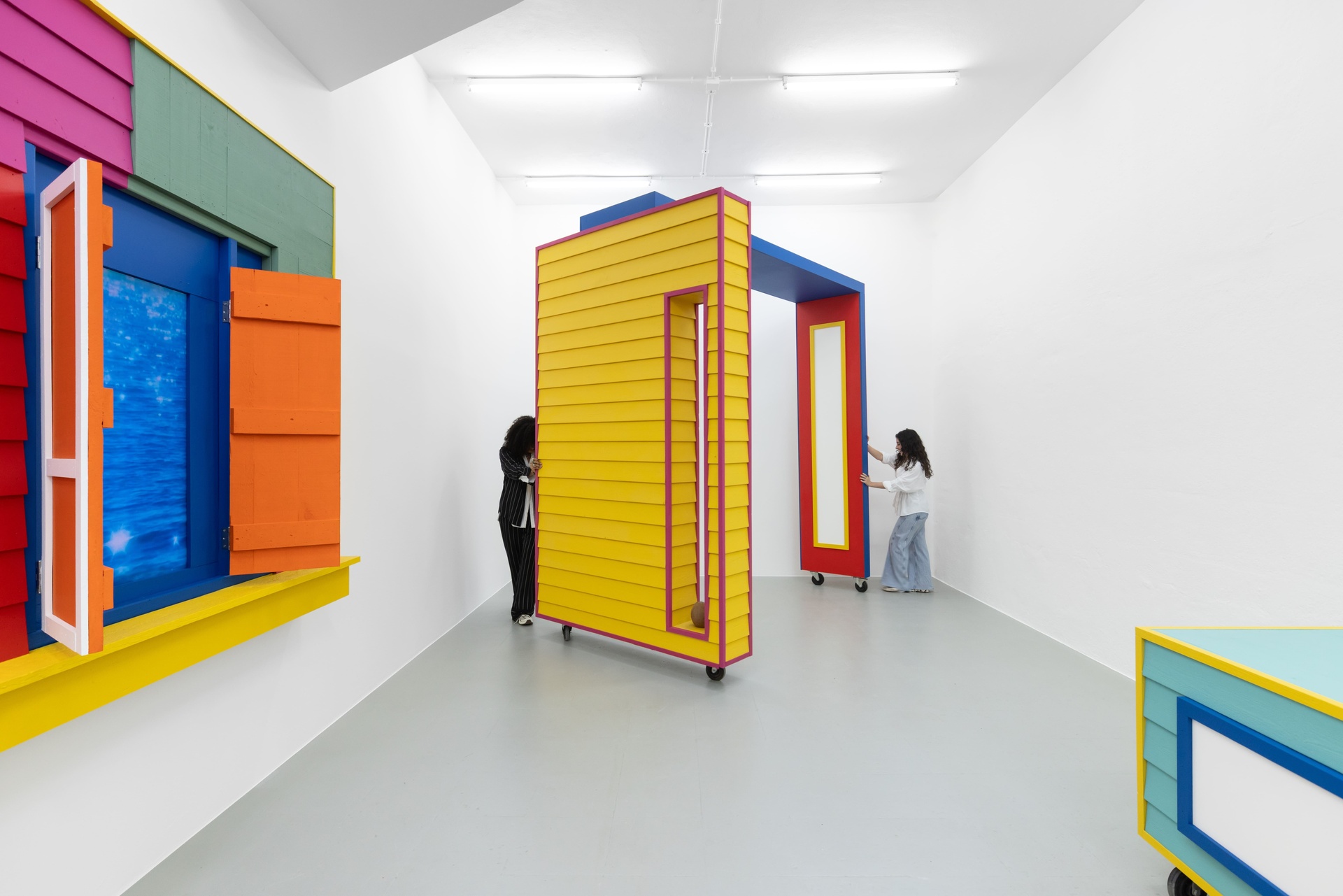
La Chantin, Cisco Merel, 2026. Installation. Kunsthalle Lissabon. Photo: Bruno Lopes
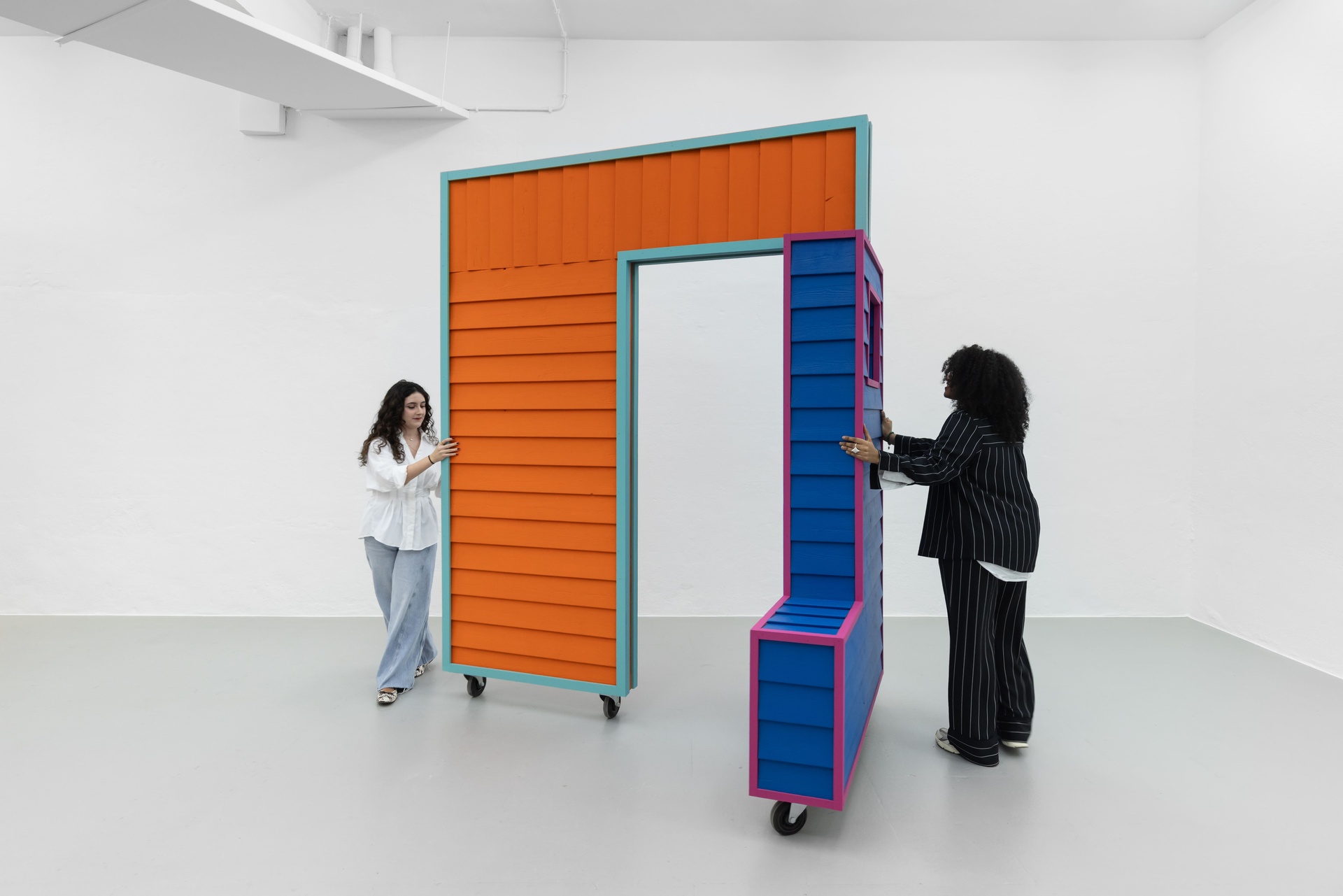
La Chantin, Cisco Merel, 2026. Installation. Kunsthalle Lissabon. Photo: Bruno Lopes
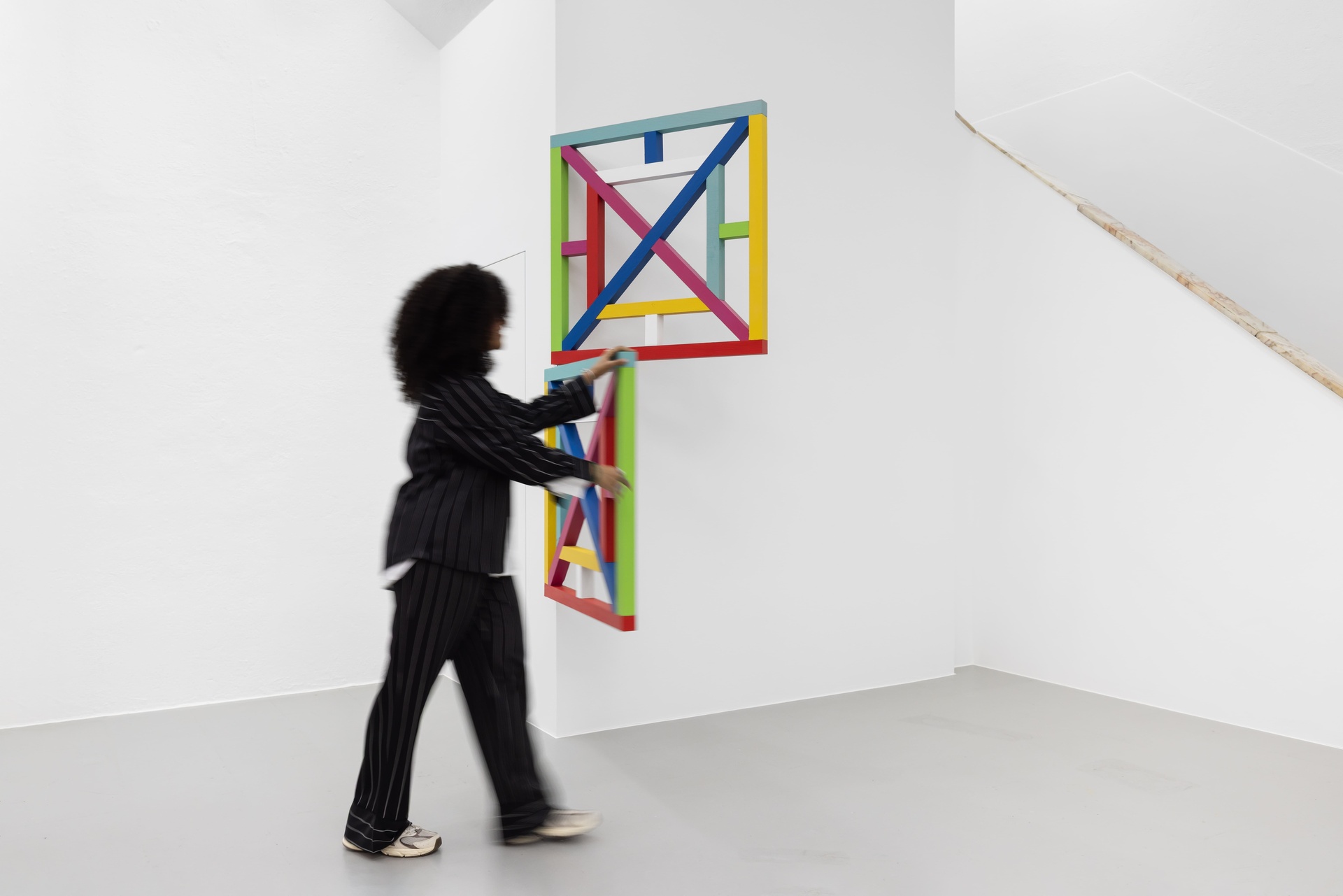
La Chantin, Cisco Merel, 2026. Installation. Kunsthalle Lissabon. Photo: Bruno Lopes
Cisco Merel: La Chantin
Kunsthalle Lissabon is pleased to present "La Chantin," the first solo exhibition in Portugal by Panamanian artist Cisco Merel. Opening on March 18 and conceived specifically for the KL space, this project explores the house not as a finished object, but rather as an open, collective system in a constant state of becoming.
The exhibition title, "La Chantin," draws from Panamanian slang for house or home. However, its origin reveals a history of resilience and movement: the word is derived from the English shanty. The term traveled with the Afro-Antillean diaspora during the construction of the Panama Canal, giving rise to an architecture of urgency and resistance: wooden houses raised off the ground to deal with tropical humidity and, above all, designed to be movable. These structures were frequently dismantled and relocated to new plots of land, growing and transforming to meet the needs of families and communities.
In this exhibition, Cisco Merel recovers these popular architectural forms to reflect on how the home is built and reconstituted in contexts of migration and uprooting. By liberating architecture from its traditional immobility, the presented installation—elevated, ventilated, and permeable structures—incorporates wheels and mobile elements, converting architecture into a body in transit. Unlike a static exhibition, "La Chantin" invites the audience to participate by activating the works through movement. This gesture translates the migratory experience to the physical plane: the house ceases to be a fixed place and becomes a transformable territory, constantly negotiated by those who inhabit it. Each displacement generated by collective action produces a new spatial composition and a reinterpretation of memory.
Merel’s practice, deeply influenced by his Sino-Afro-Panamanian roots, bridges the aesthetics of folk art with rigorous industrial processes. A central element in this transposition is the use of overlapping wood, a construction technique where boards are arranged horizontally so that tropical rainwater runs off without penetrating the structure. This technique transforms the house into a protective and flexible skin. On this surface, bright and contrasting colors emerge not merely as adornment, but as an assertion of vitality and dignity. These vibrant tones function as a sign of lucidity and modesty, based on an "ethics of survival"—understood as the use of ingenuity and memory to transform necessity into cultural resistance, where reclaiming visual roots becomes an act of resistance against the oblivion imposed by contemporaneity.
"La Chantin" is not only a reflection on the house as a physical shelter, but also as an affective and political space. Abstraction arises here as a critical tool for thinking about territory and ways of inhabiting the contemporary world. Merel proposes an urgent reflection: in a world marked by migratory flows and uncertainties, how do we rebuild our home from scratch?
Kunsthalle Lissabon is supported by the Portuguese Republic – Culture, Youth and Sport / Directorate-General for the Arts and by the Vasco Collection.
About Cisco Merel
Cisco Merel (b. 1981, Panama City, Panama) lives and works in Panama. His artistic practice uses abstraction as a means to address issues related to architecture, social contrasts, and folk art, exploring the origins of constructive and socio-cultural systems in a contemporary context. He works with photography, painting, sculpture, and installation, developing a visual research process for each project that is deeply linked to territory and memory. For more than a decade, he collaborated closely with the studio of Carlos Cruz-Diez. His work has been featured in solo and group exhibitions in international institutions and spaces, including the Museum of Contemporary Art of Panama, Galeria Zielinsky (São Paulo and Barcelona), the Havana Biennial, the Americas Society (New York), and the Centro Cultural de España in Panama. He was one of the artists selected for Panama's first pavilion at the Venice Biennale in 2024.