
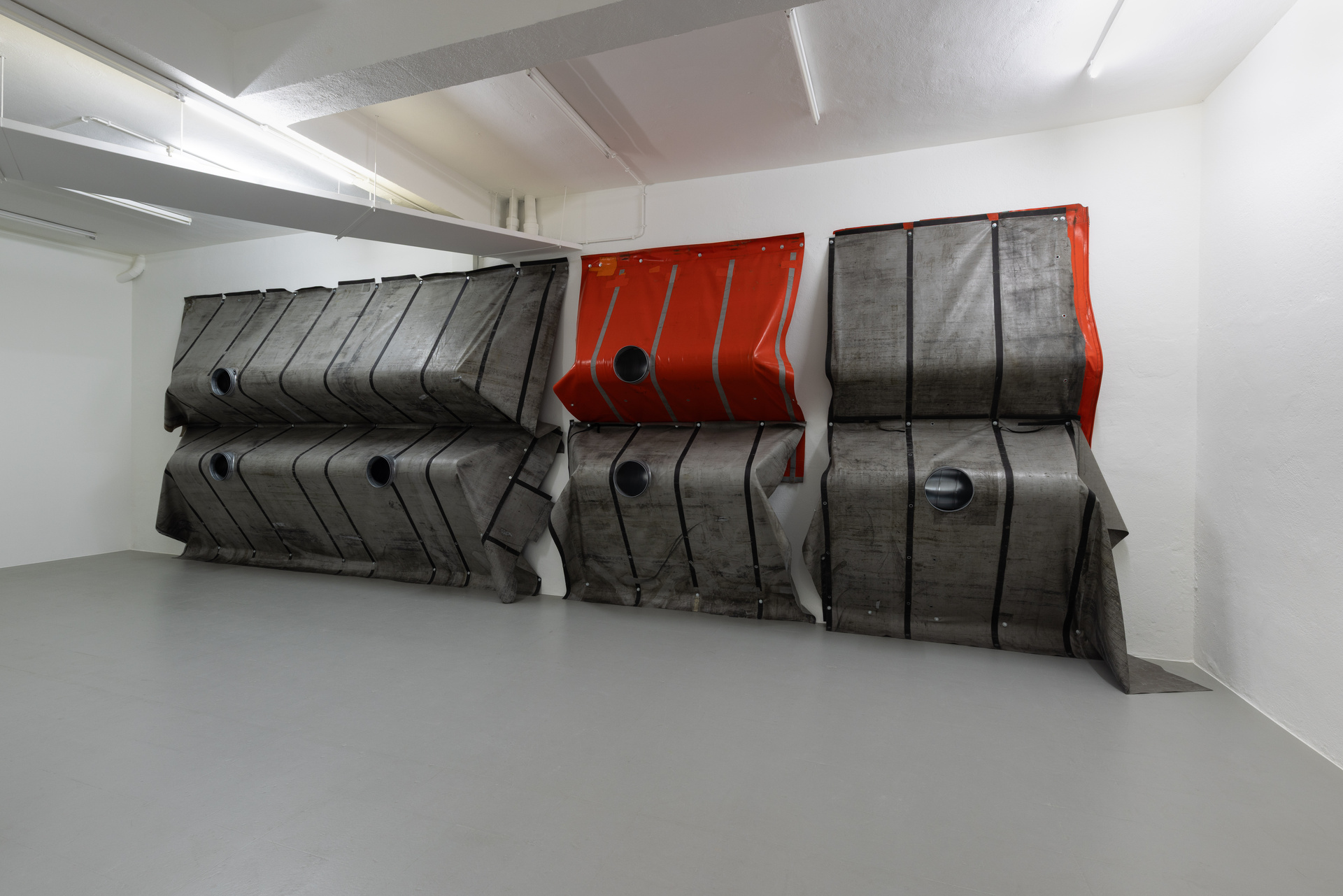
MÁS GRAVES, 2026. Kunsthalle Lissabon. Photo: Bruno Lopes
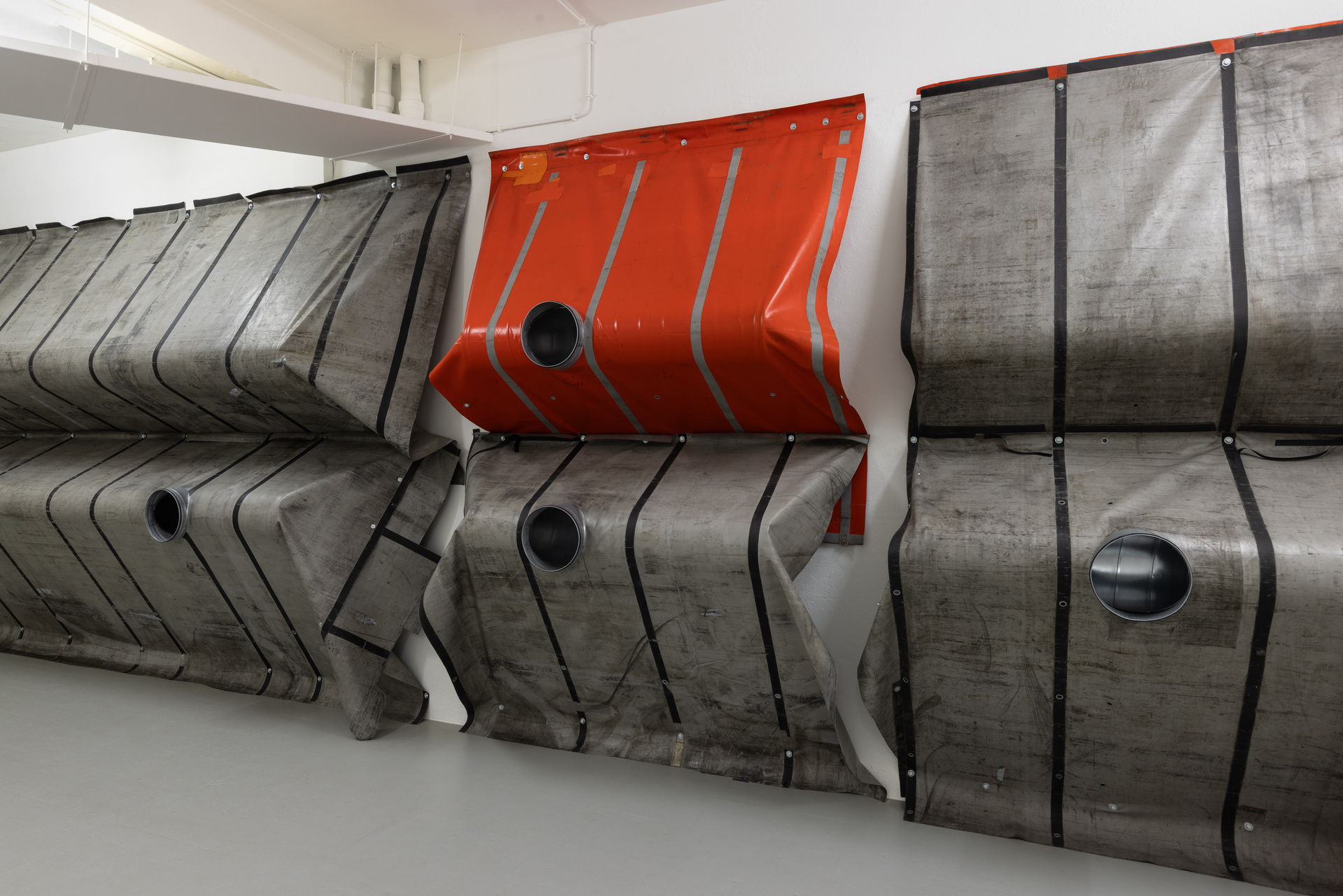
MÁS GRAVES, 2026. Kunsthalle Lissabon. Photo: Bruno Lopes
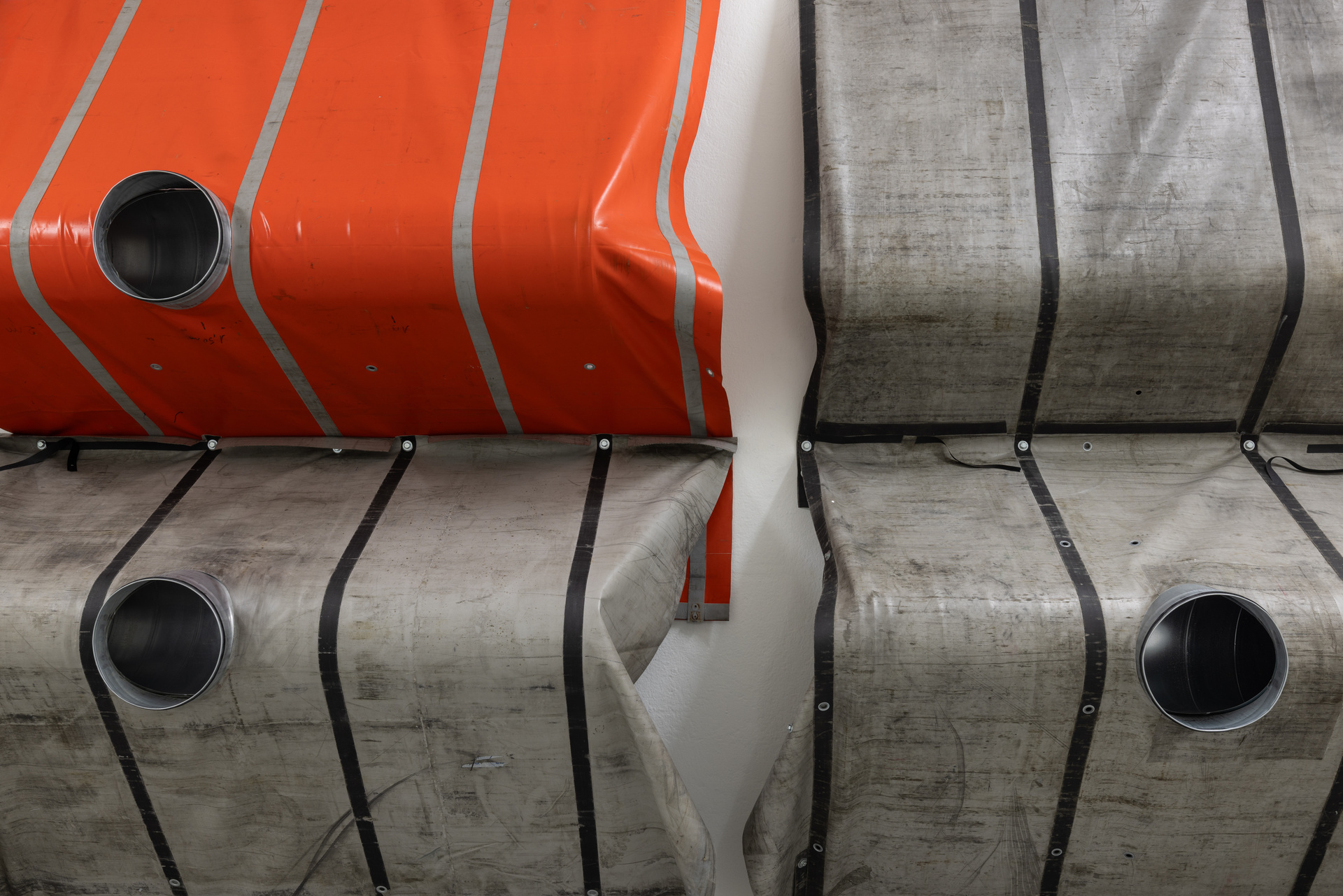
MÁS GRAVES, 2026. Kunsthalle Lissabon. Photo: Bruno Lopes
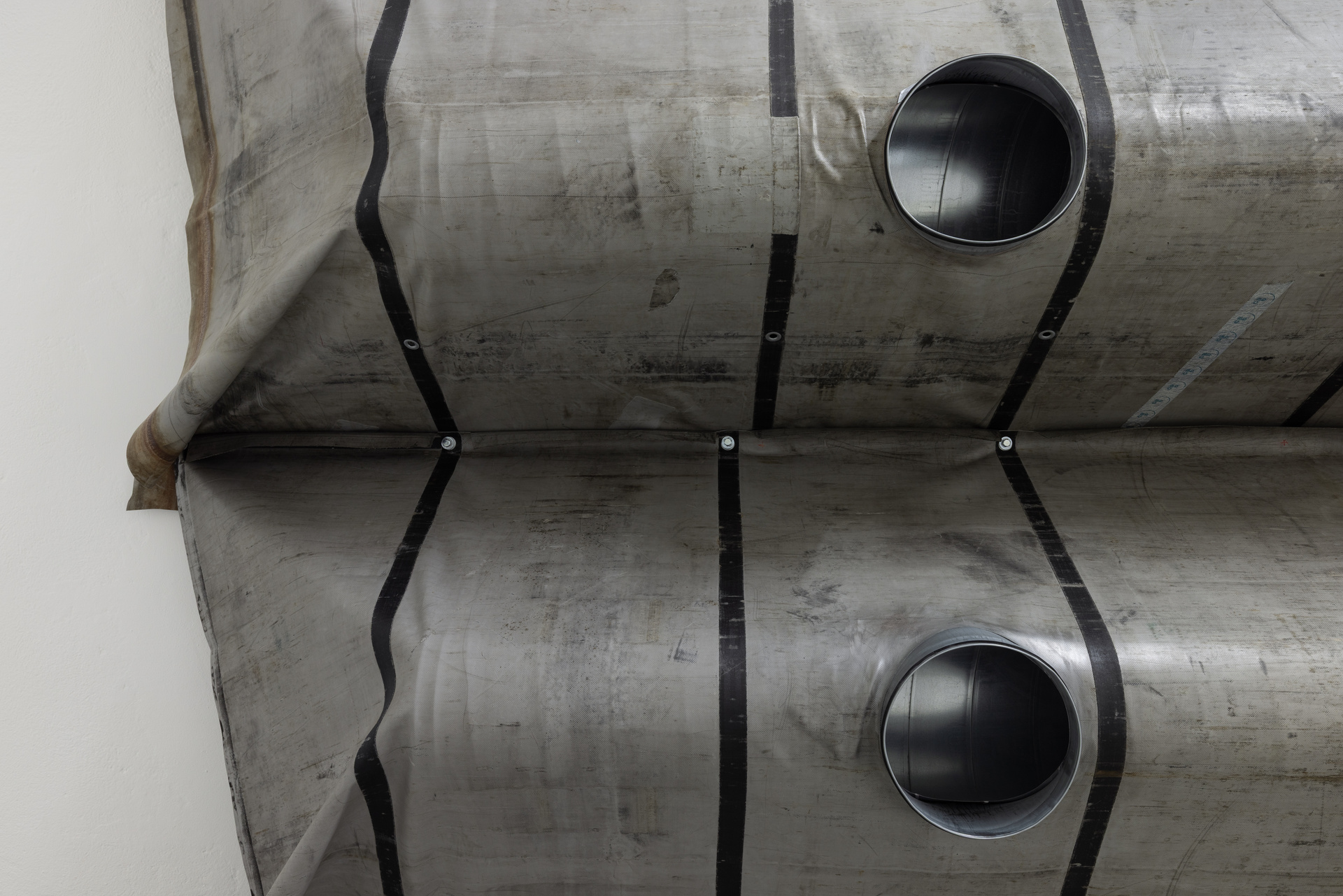
MÁS GRAVES, 2026. Kunsthalle Lissabon. Photo: Bruno Lopes
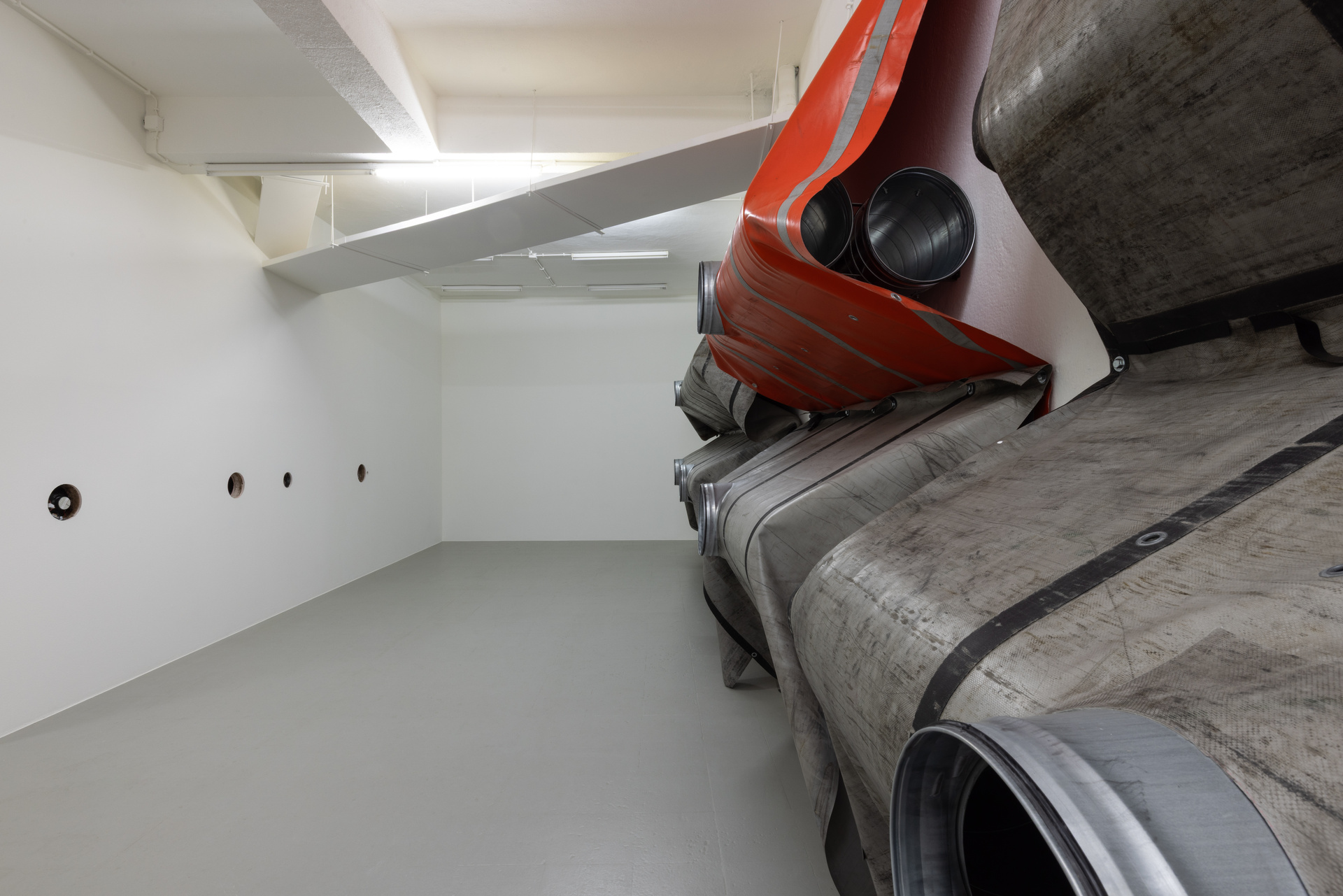
MÁS GRAVES, 2026. Exhibition view, Kunsthalle Lissabon. Photo: Bruno Lopes
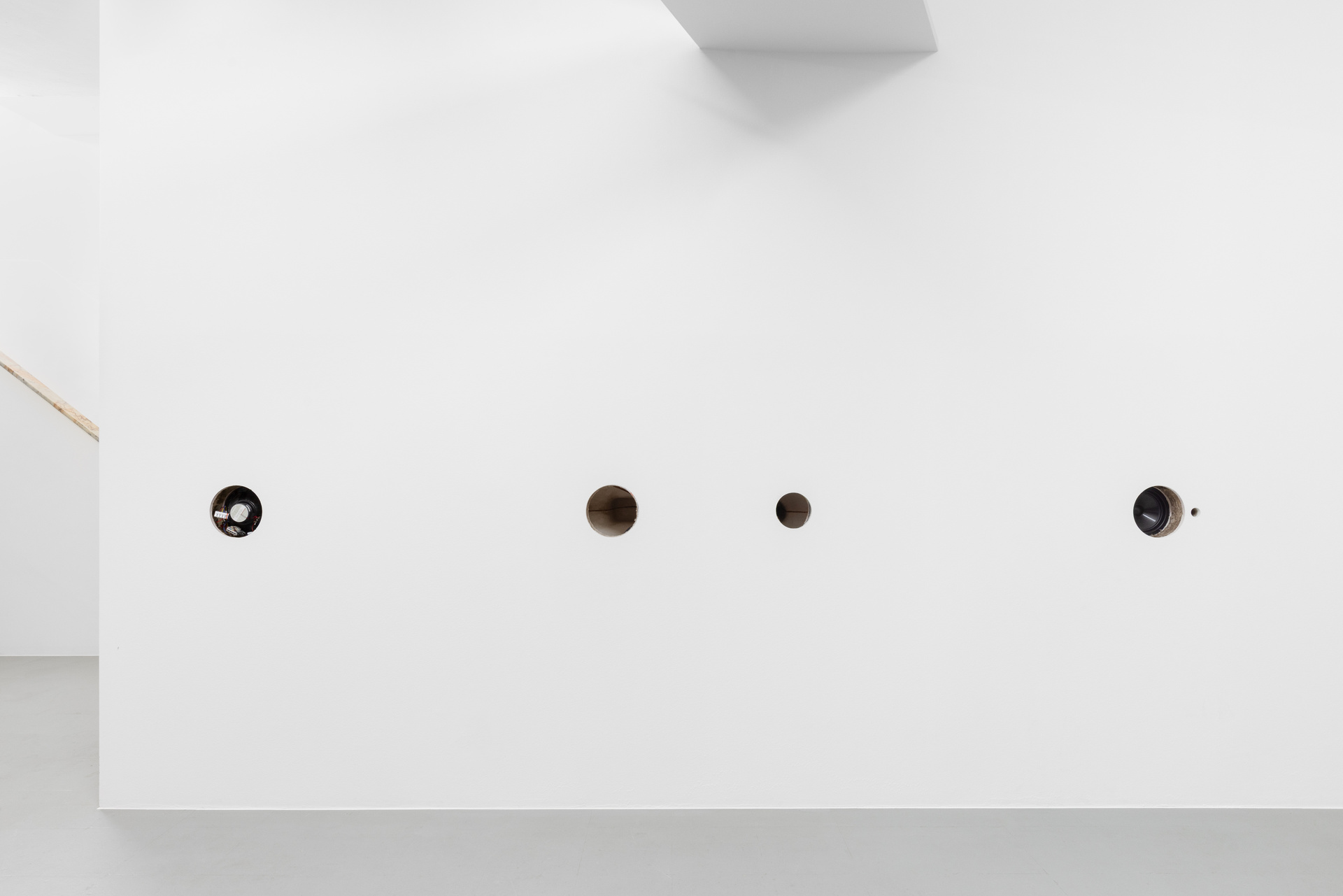
MÁS GRAVES, 2026. Exhibition view, Kunsthalle Lissabon. Photo: Bruno Lopes
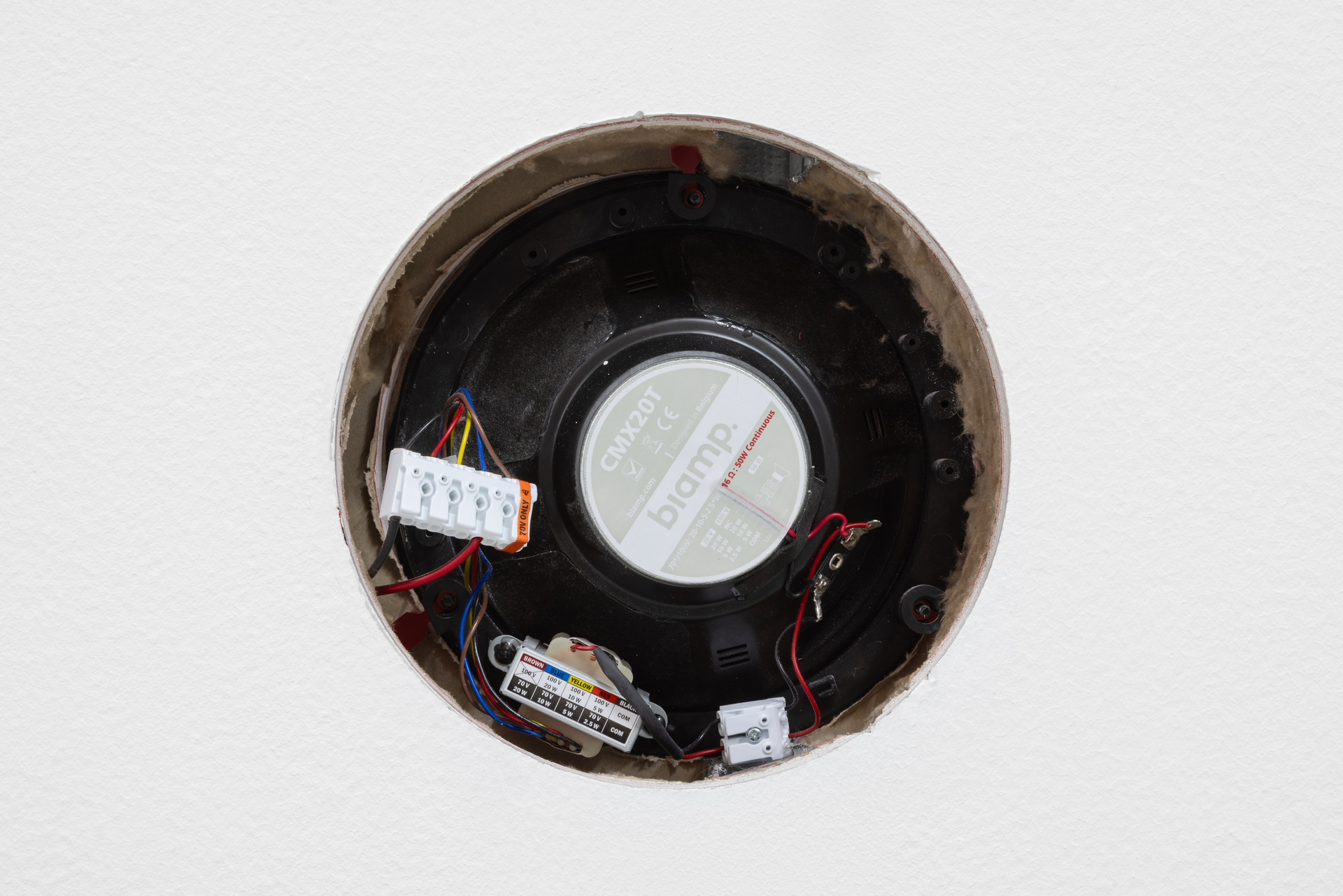
hyle, 2026. Estanis Comella in collaboration with June Crespo. Kunsthalle Lissabon. Photo: Bruno Lopes
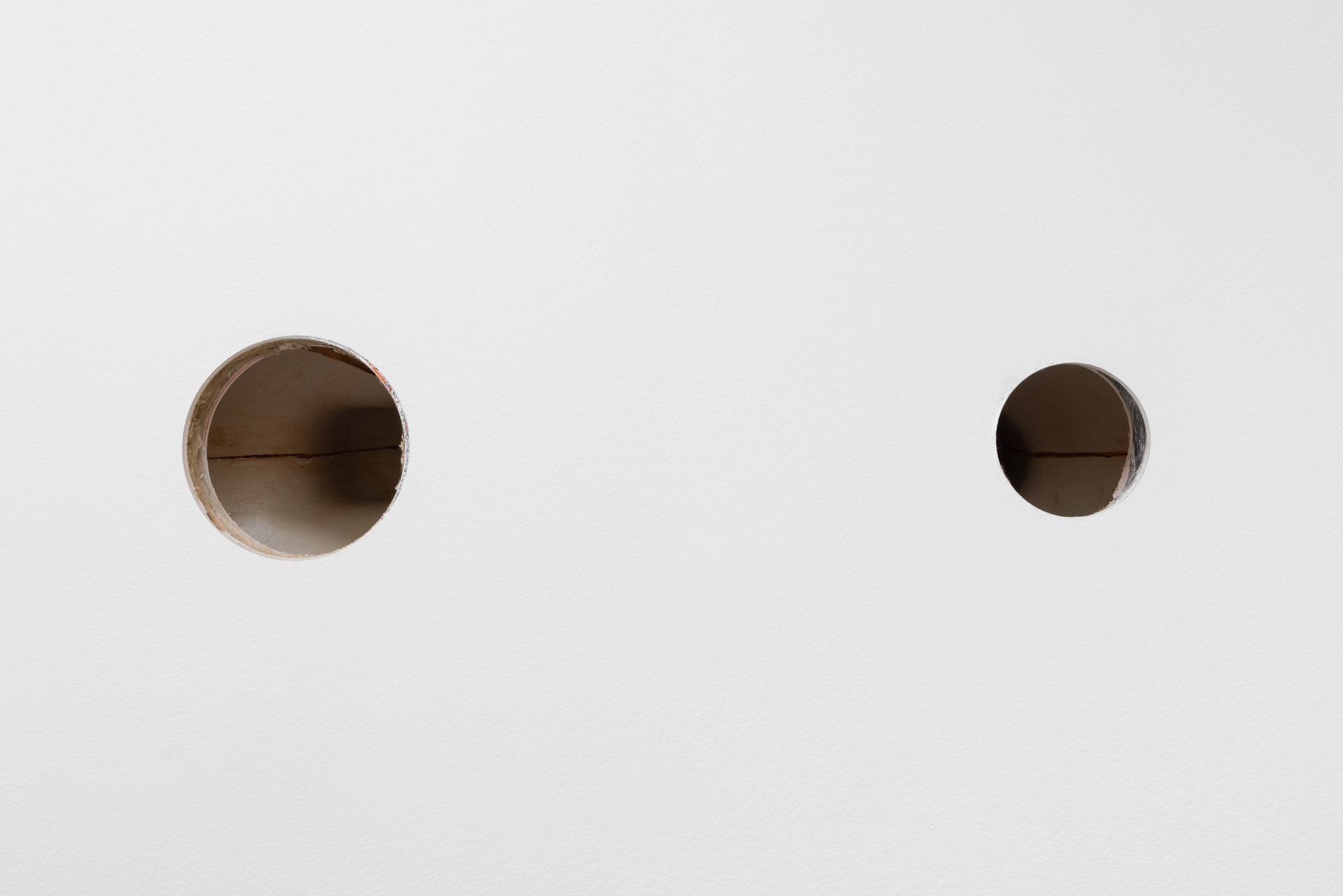
No osso (occipital) (I), 2026. Kunsthalle Lissabon. Photo: Bruno Lopes
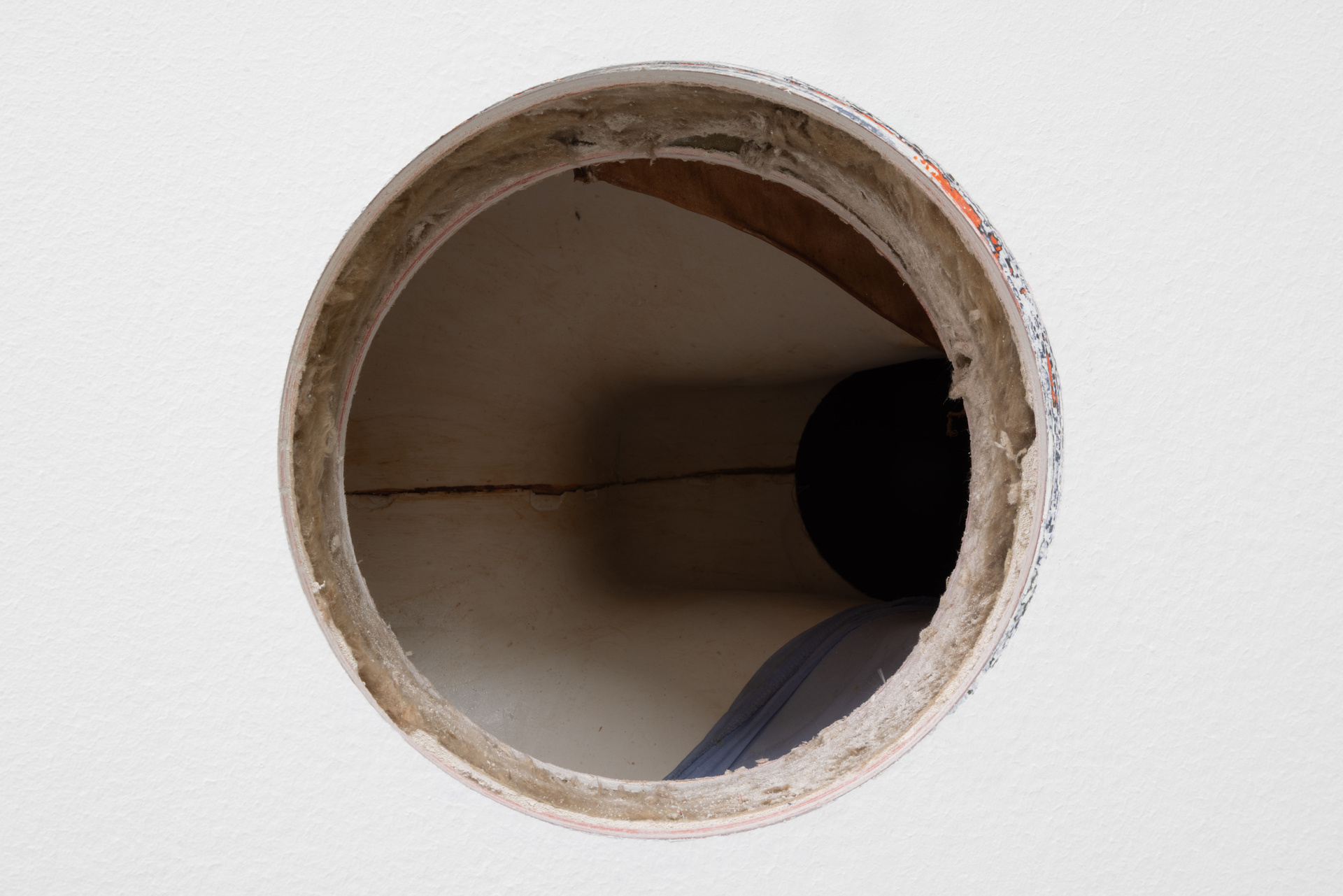
No osso (occipital) (I), 2026. Kunsthalle Lissabon. Photo: Bruno Lopes
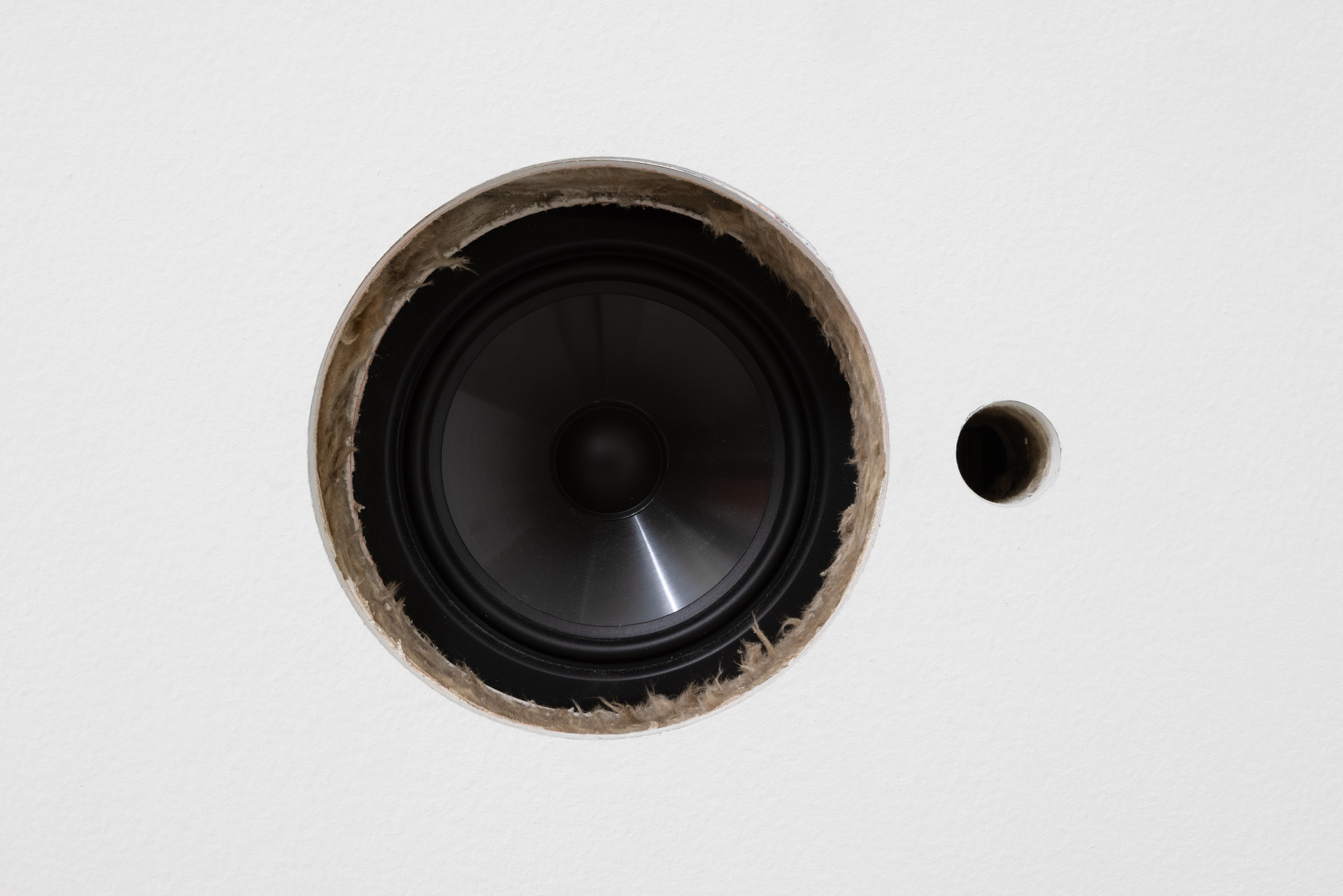
hyle, 2026. Sound piece, 24'. Estanis Comella in collaboration with June Crespo. Kunsthalle Lissabon. Photo: Bruno Lopes
June Crespo: MÁS GRAVES
Kunsthalle Lissabon is pleased to present “MÁS GRAVES”, a solo exhibition by June Crespo (Pamplona, 1982). Crespo has been developing a sculptural and installation practice that investigates the relationship among the body, matter, and architectural space, creating a tension at the limits of scale, weight, and physical presence. Her work has achieved strong international prominence, positioning her as one of the most relevant figures in Spanish contemporary art and leading her to present solo exhibitions at institutions such as the Fondazione Sandretto Re Rebaudengo in Turin, the Secession in Vienna, the Guggenheim Museum Bilbao, Le Crédac in Paris, and the Centro de Arte Dos de Mayo (CA2M) in Madrid.
The exhibition title, “MÁS GRAVES”, operates through conceptual and linguistic play that crosses physics and acoustics. On one hand, it directly evokes the idea of gravity, weight, and material density, reflecting the physical effort and sustenance of the pieces in space. On the other hand, it refers to bass sounds, to low and deep frequencies that fill the environment. By merging corporeal weight with the intangible vibration of sound, Crespo proposes an expanded reading of matter, suggesting that what is dense and heavy also resonates and emits its own frequency.
For this project, conceived specifically for the space of Kunsthalle Lissabon, Crespo developed a large scale sculpture that takes the architecture of the exhibition space, located in a basement, as a starting point and active matter of the work. The walls cease to function merely as supports for the works, becoming surfaces for support, containment, and friction, integrated into the sculptural process itself. The artist's intervention primarily emanates from the 12-meter-long main wall, through the use of industrial materials such as ventilation ducts and tarpaulins from heavy transport vehicles.
Through processes of cutting, assembly, and recomposition, the sculpture configures structures that balance between tension and distension, between what is revealed and what remains hidden. The tarpaulins, marked by use and a strong sensory presence, feature perforations that invite the gaze to look inside the ducts, creating pathways that develop between the interior and the exterior. These circulation systems establish relationships between the human body, mechanical scale, and the building's own systems, transforming Kunsthalle Lissabon into a living system.
The subterranean condition of the space, with its particular scale, density, and intimate atmosphere, is activated as an additional body alongside the sculptural installation. This environment extends to the sonic dimension through hyle, a piece developed by Estanis Comella in collaboration with June Crespo, whose intermittent presence intensifies the spatial and bodily perception of the atmosphere. The work takes as its starting point a recording made inside a pipe that vertically traverses Crespo’s studio building from the rooftop to the basement, inspired by the acoustic quality perceived within that conduit. Emitted from the opposite wall, the sound frontally confronts the sculptural intervention; simultaneously, taking advantage of the perforations in the wall, it is directed toward hidden areas, with the sound source facing the storage room, in a desire to "speak" directly to KL’s building and activate its invisible intermediate spaces. This acoustic layer profoundly transforms the perception of the sculpture: at times, both dimensions merge, making the material itself seem to breathe or sing. The exhibition thus proposes an immersive experience that dissolves boundaries between the organic and the industrial, between the body and construction, and interrogates how we inhabit and are shaped by the spaces that surround us.
Kunsthalle Lissabon is supported by the Portuguese Republic – Culture, Youth and Sport / Direção-Geral das Artes and by the Vasco Collection. “MÁS GRAVES” is supported by Acción Cultural Española.
About June Crespo
June Crespo (b. 1982, Pamplona, Spain) lives and works in Bilbao. Her sculptural practice investigates the relationship between the body, matter, and architectural space, exploring tensions between scale, weight, and physical presence in the contemporary context. She works predominantly with sculpture and installation, developing processes of cutting, assembly, and recomposition that result in a visual and spatial investigation deeply connected to bodily perception and the rawness of materials. In 2022, she participated in the 59th Venice Biennale, in the central exhibition "The Milk of Dreams". Her work has been widely presented in solo and group exhibitions at leading international institutions, including the Guggenheim Museum Bilbao, the Secession (Vienna), the Centro de Arte Dos de Mayo / CA2M (Madrid), Le Crèdac (Ivry-sur-Seine), Kunsthalle Freeport (Porto), Fondazione Sandretto Re Rebaudengo (Turim), and Jeu de Paume (Paris).
About Estanis Comella
Estanis Comella’s (Lleida, 1985) artistic practice combines music, image, and performance, exploring these mediums for their ability to create atmospheres and expand our perception of space. During his formative years in Bilbao, he participated in the free improvisation scene, beginning to explore live performance as a generator of situations and architectures. Sound, voice, and body become instruments that alter the depth of a place and activate conditions of shared presence. He has exhibited/performed at and collaborated with, among others, fluent (Santander), Fundação Serralves (Porto), Bulegoa z/b (Bilbao), Fundació Miró (Barcelona), Tabakalera (Donostia), Artium (Vitoria-Gasteiz), Carreras Múgica (Bilbao), CentroCentro (Madrid), La Panera (Lleida), La Capella (Barcelona), Azkuna Zentroa (Bilbao), La Casa Encendida (Madrid), and MNCARS (Madrid).