
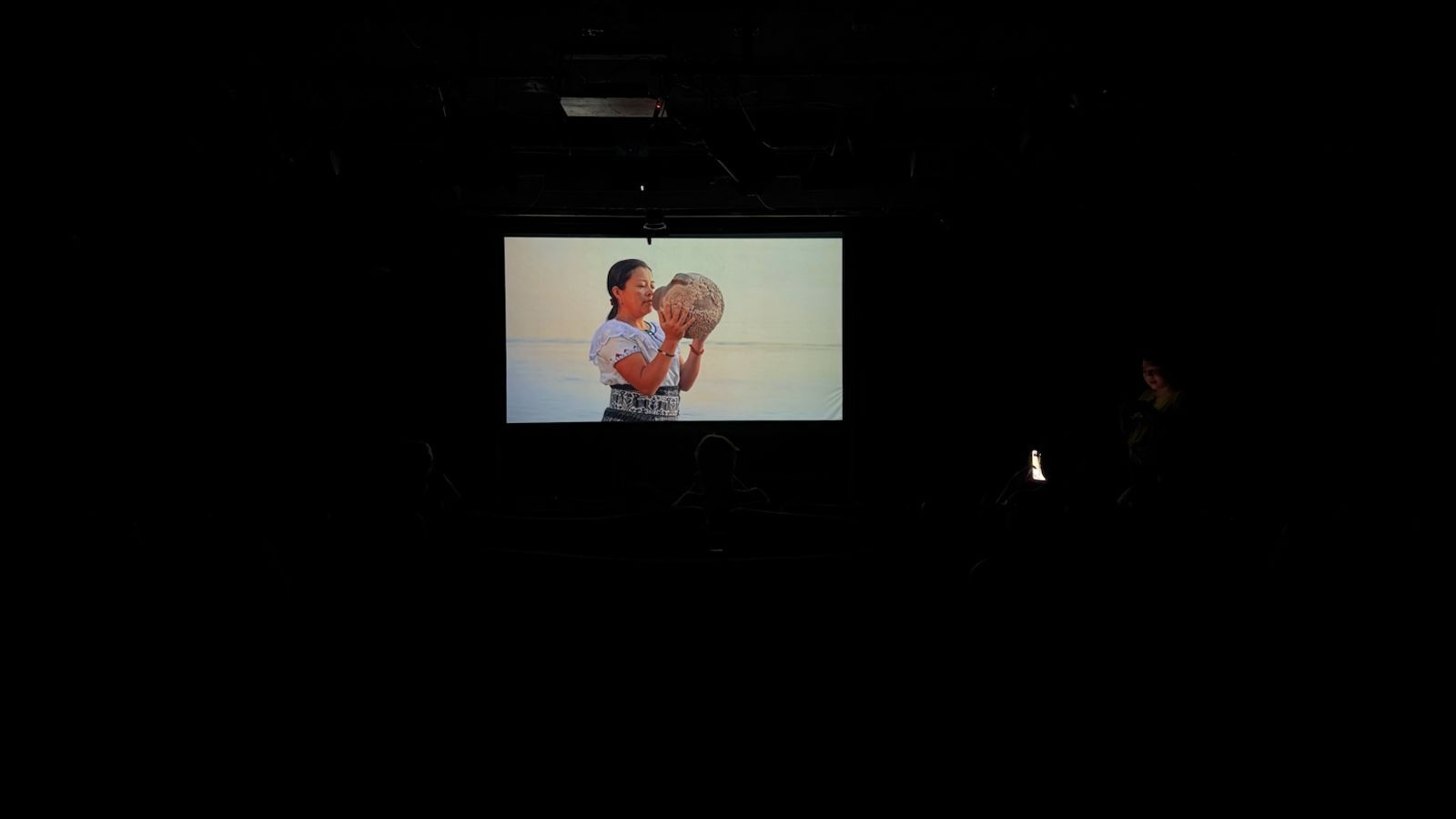
“KAWOQ”, Tz’aqat Collective, 2023. 3’10”. Courtesy of the artists. Photo: MAC Panamá
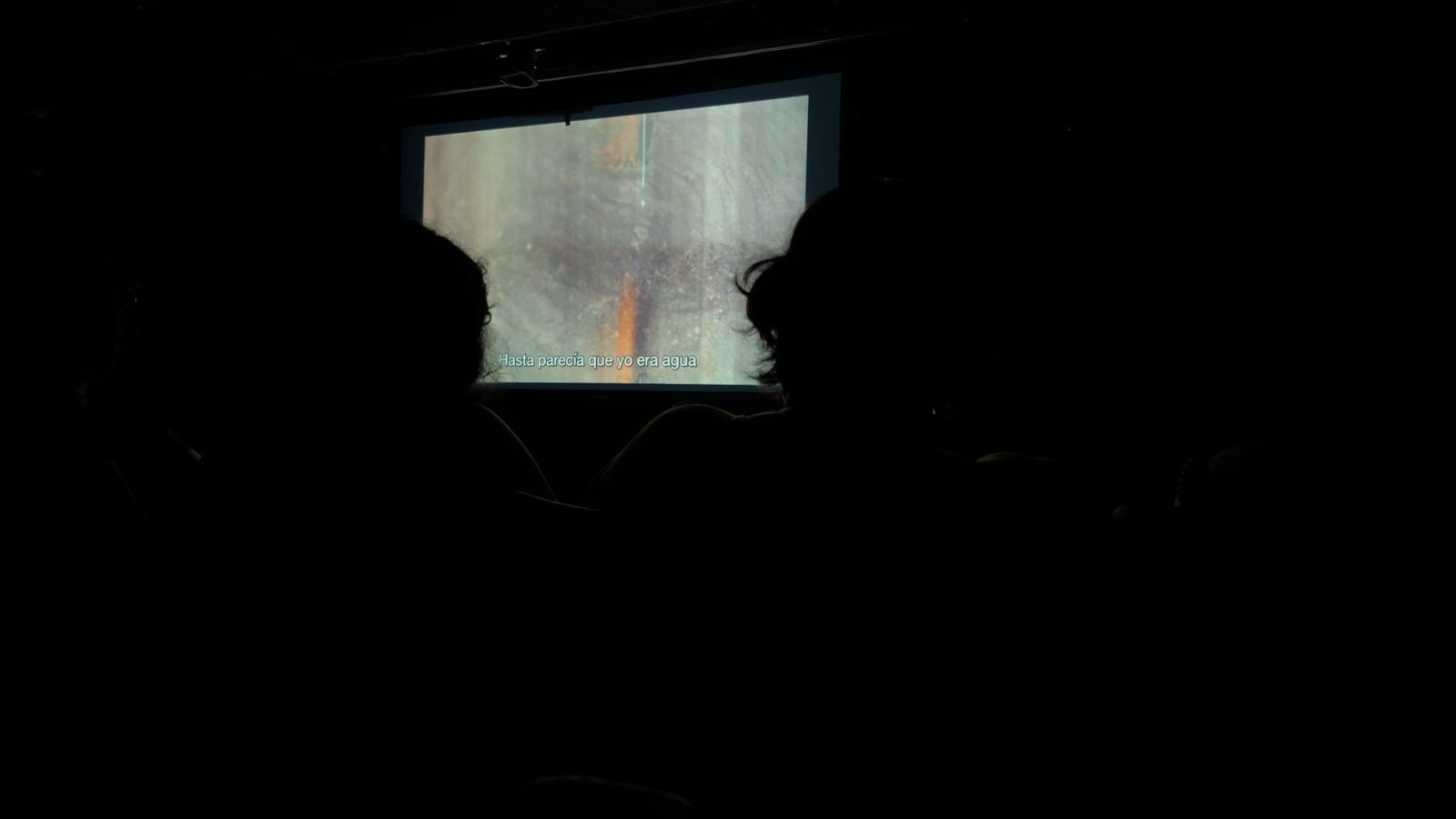
"Cantos da Metamorfose ou Aquela vez em que eu Encarnei como Boto", Ainá Xisto, 2024. 11’25”. Courtesy of the artist. Photo: MAC Panamá
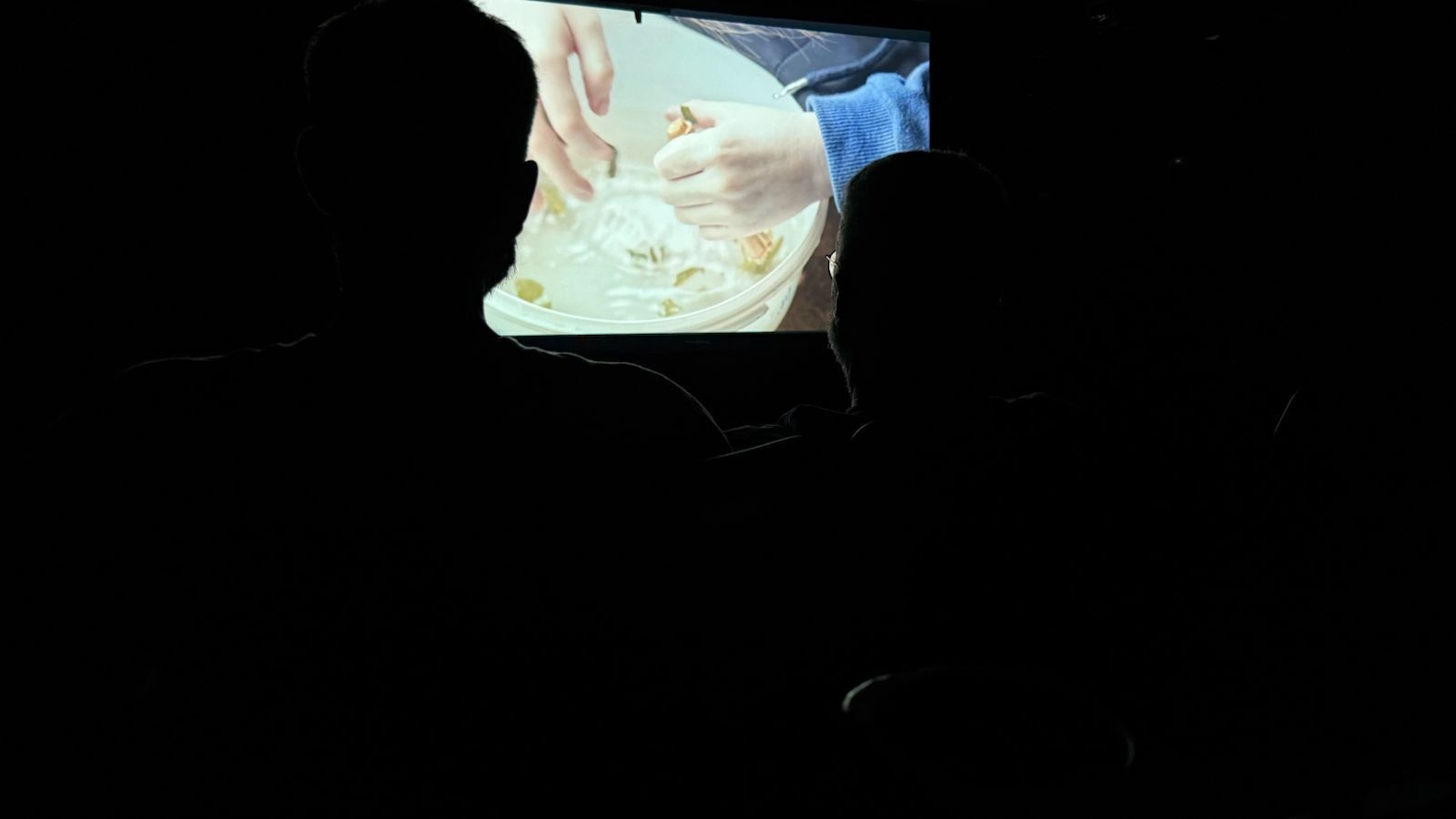
"Ibegwa", Duiren Wagua, 2021. 11'. Courtesy of the artist. Photo: MAC Panamá
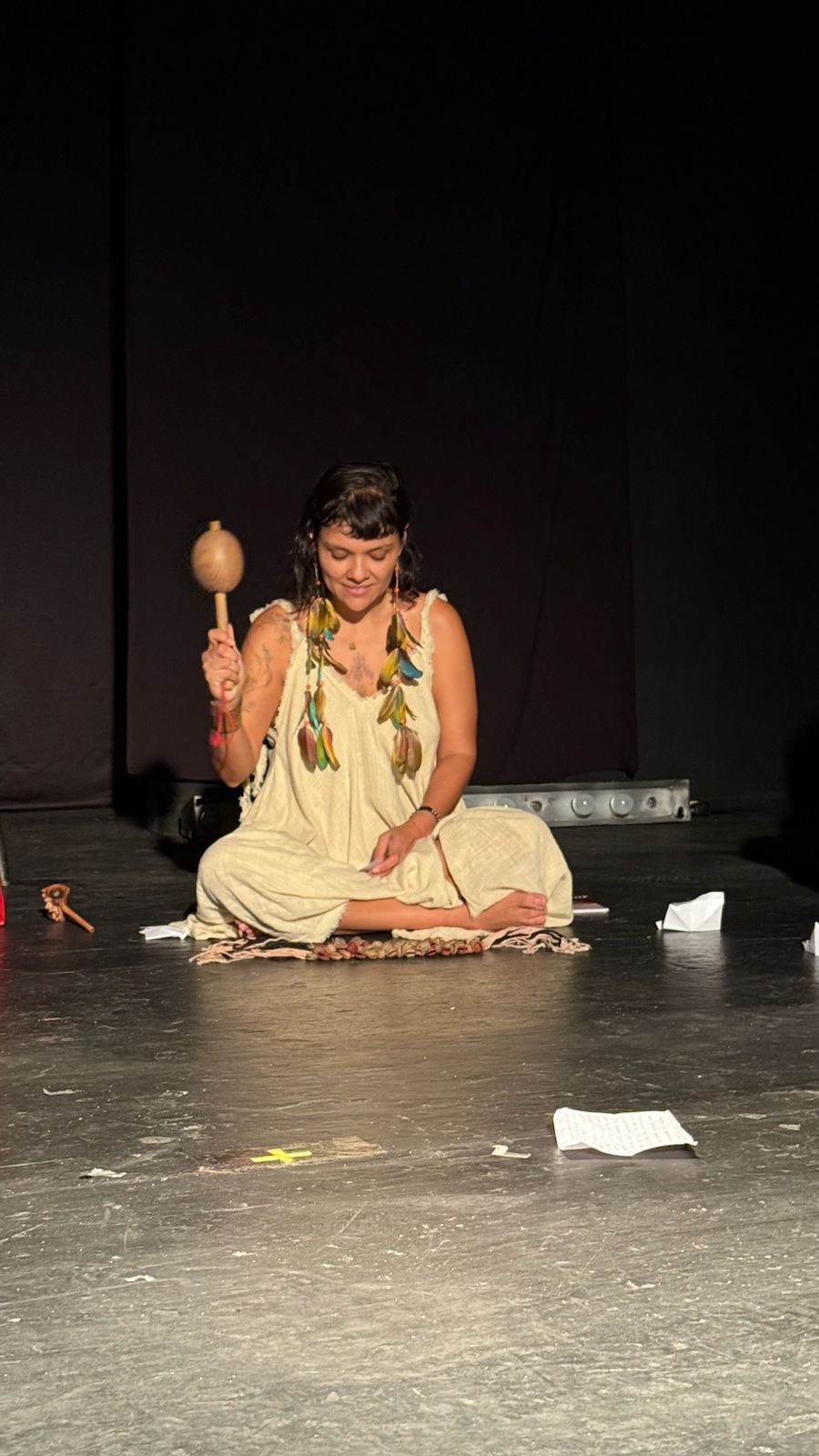
Palavra Lavada: Sagrada Como Um Rio, Ellen Pirá Wassu, 2025. Performance. Photo: MAC Panamá
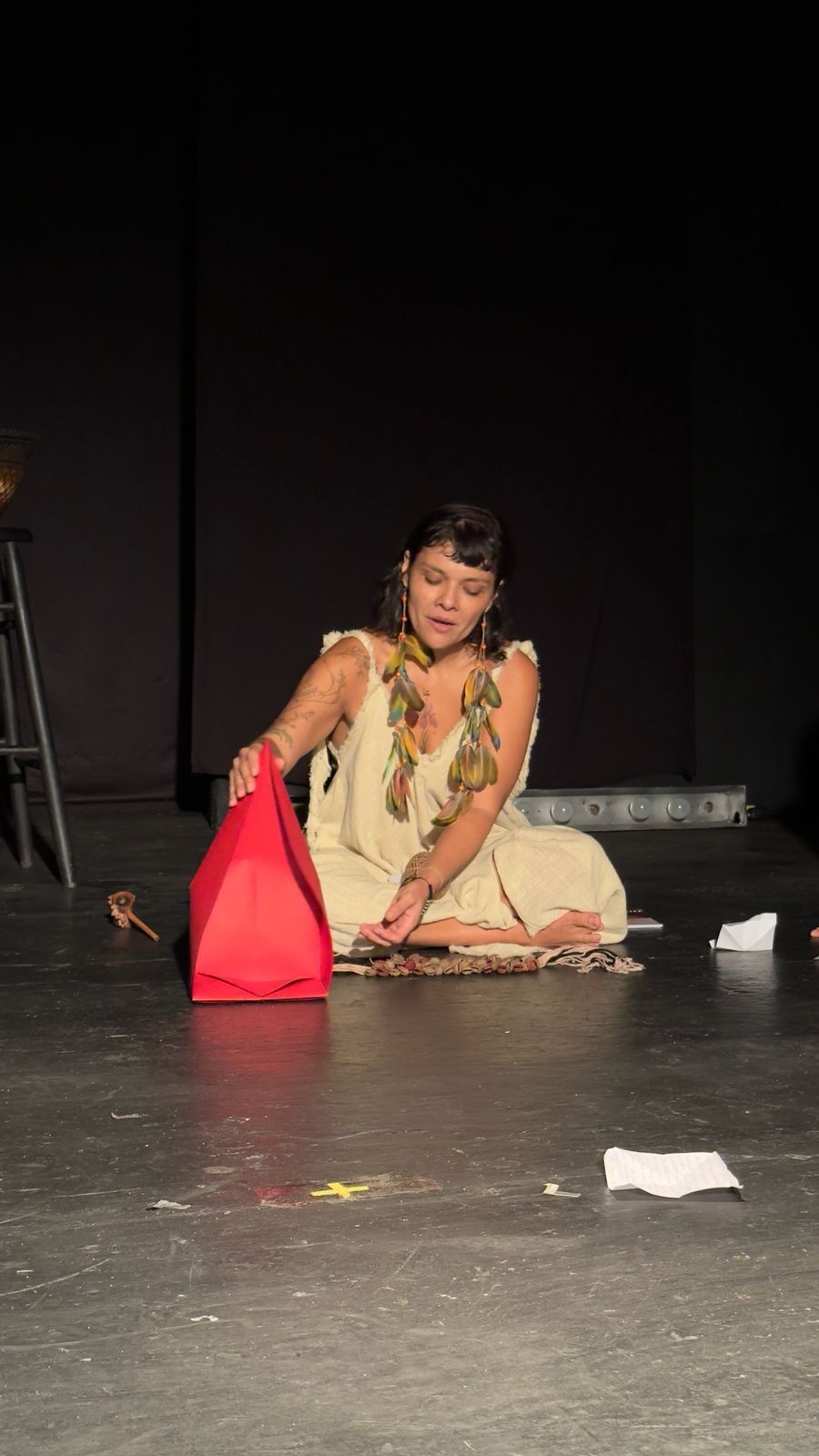
Palavra Lavada: Sagrada Como Um Rio, Ellen Pirá Wassu, 2025. Performance. Photo: MAC Panamá
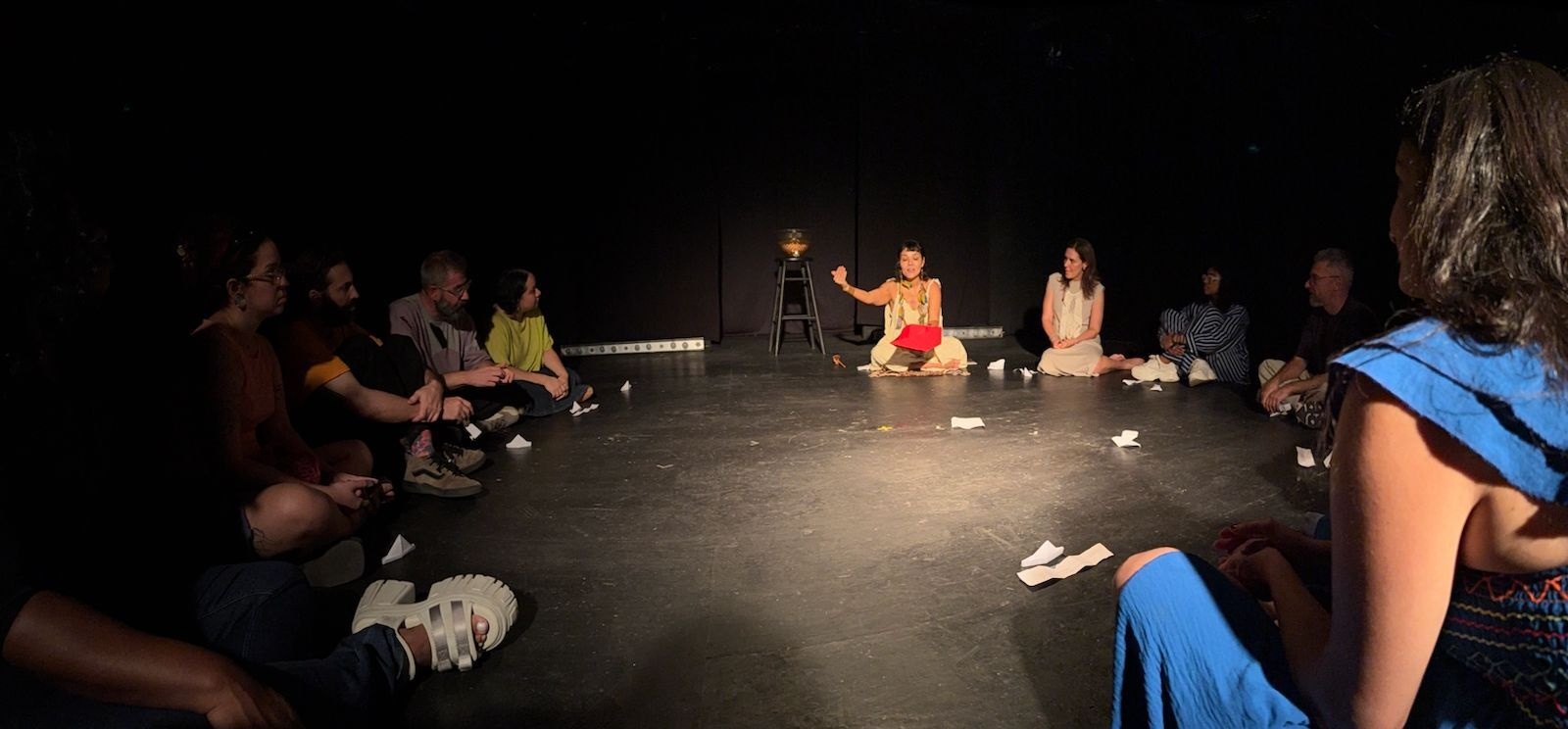
Palavra Lavada: Sagrada Como Um Rio, Ellen Pirá Wassu, 2025. Performance. Photo: MAC Panamá
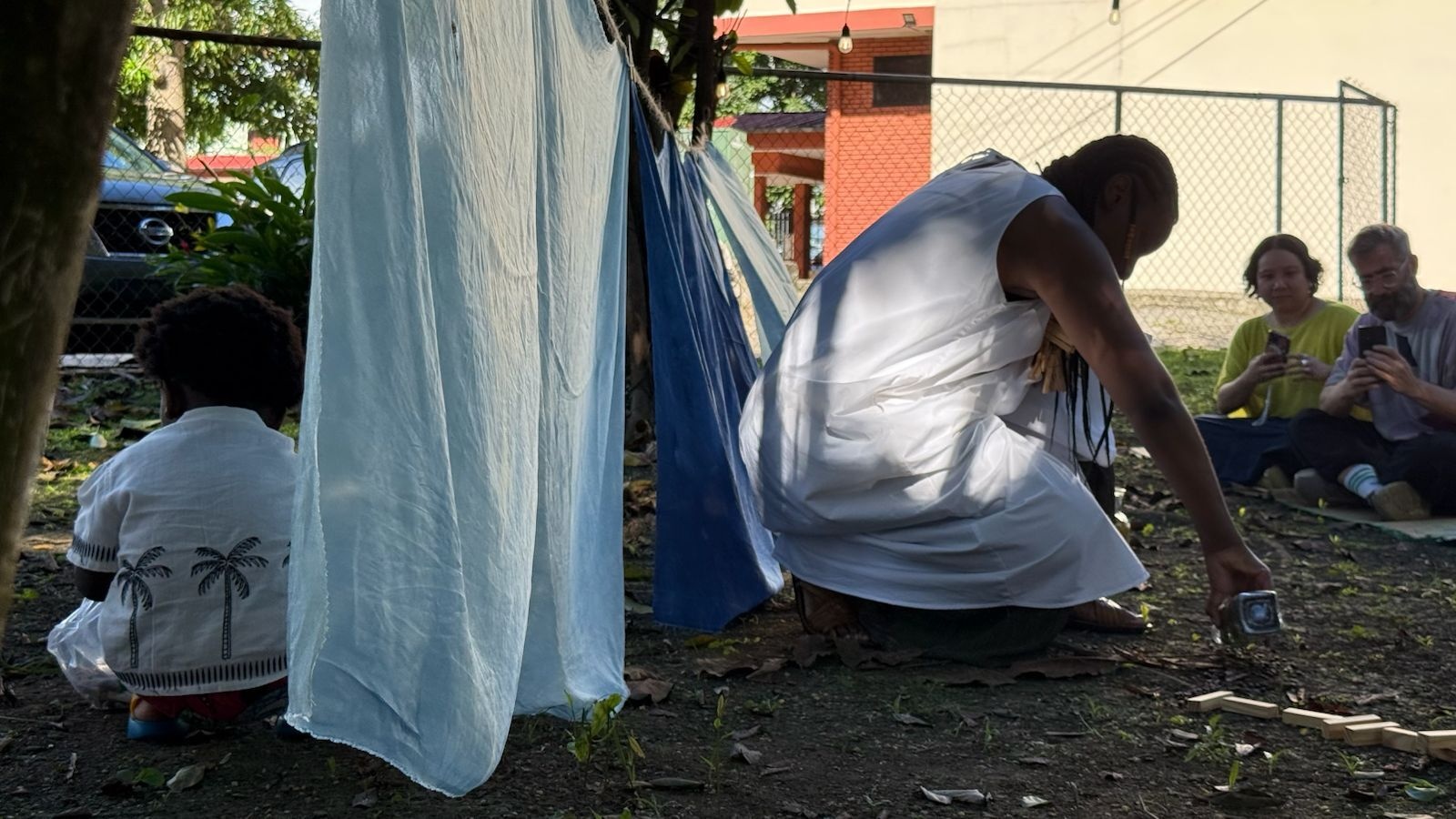
MAR É MARÉ, Raquel Lima e Rani Lima, 2025. Performance. Photo: MAC Panamá
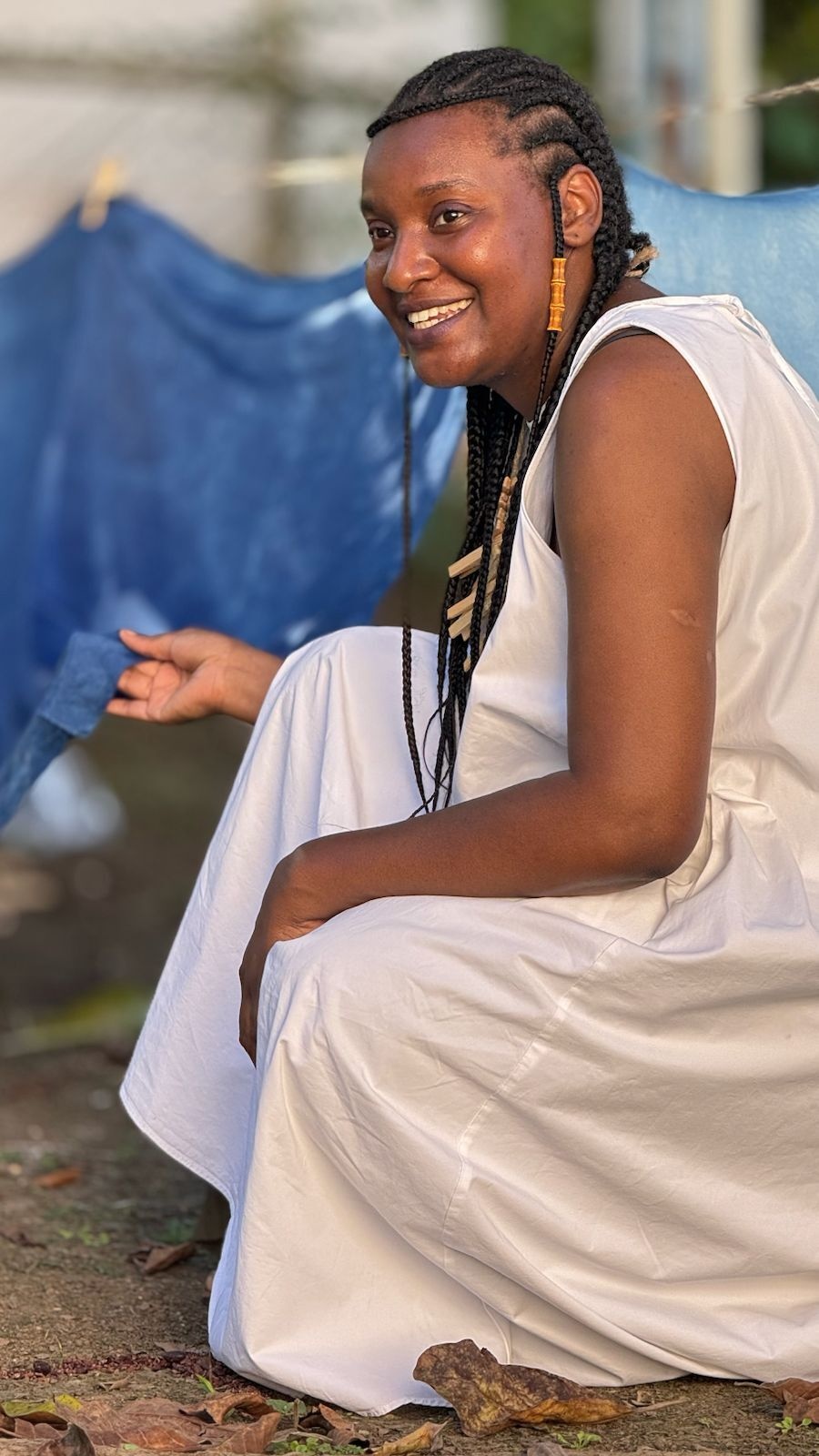
MAR É MARÉ, Raquel Lima e Rani Lima, 2025. Performance. Photo: MAC Panamá
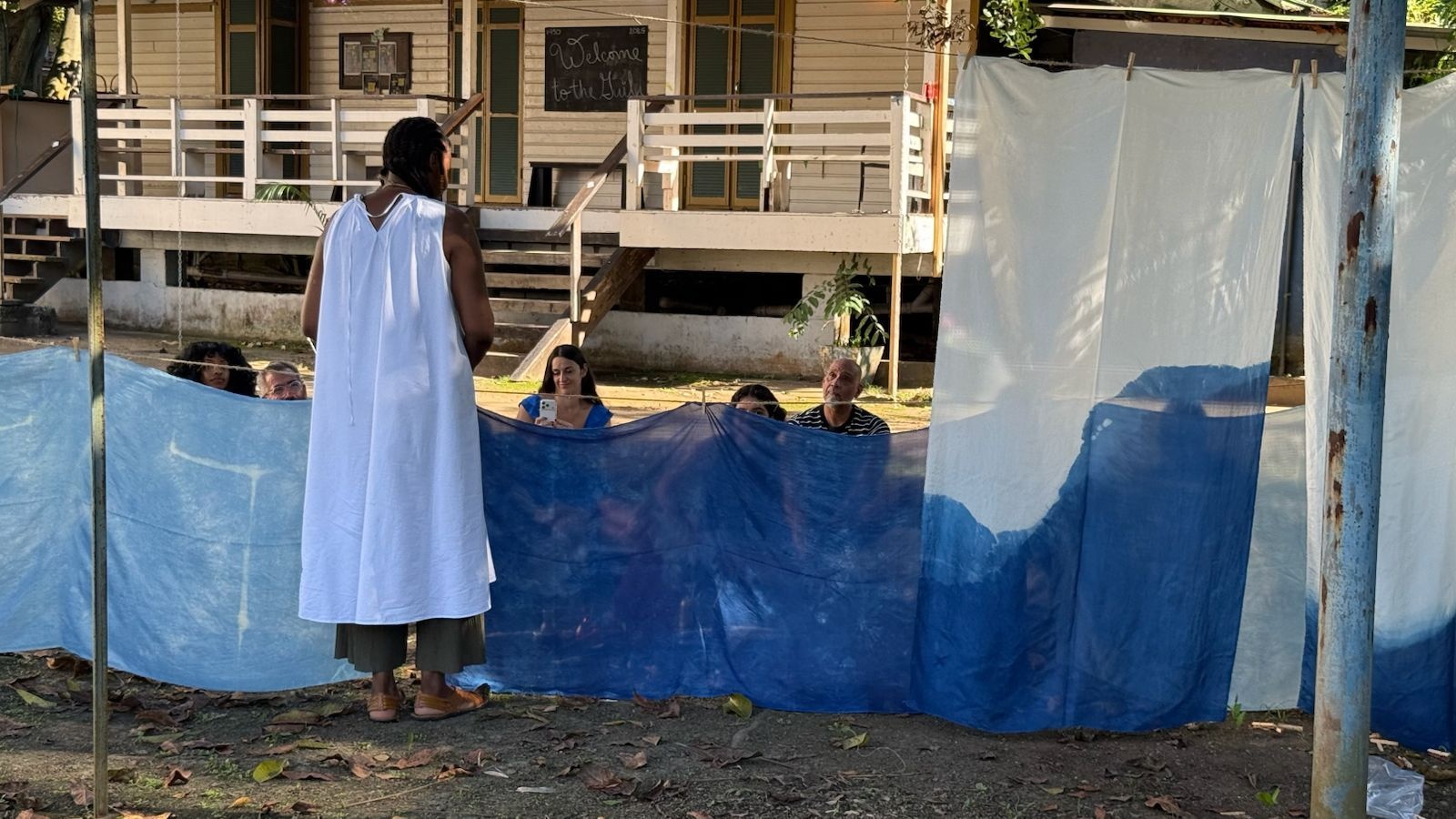
MAR É MARÉ, Raquel Lima e Rani Lima, 2025. Performance. Photo: MAC Panamá
KL + MAC Panamá: Primeiro Estava o Mar
Primeiro Estava o Mar was a project realized in partnership with MAC Panamá, bringing together artists, curators, and audiences from Central America, the Caribbean, Portugal, Angola, São Tomé and Príncipe, and Brazil.
The title was inspired by the creation myth of the Kogui culture from Colombia’s Caribbean coast, which describes the sea as the origin of everything: “First there was the sea. Everything was dark. There was no sun, no moon, no people, no animals, no plants. Only the sea was everywhere. The sea was the mother.” As in Tomás González’s homonymous novel, water emerges as a principle of life, continuity, and memory, but also embodies ambivalence: it is beauty and threat, promise and ruin. The myth evokes an ancestral relationship with water as a source of life, a link of continuity, and a place of memory, a motif that resonates both in the territories of the invited artists and in Panamanian and Portuguese cultures, where the sea is an element of crossing, reunion, and permanence.
Primeiro Estava o Mar reminds us that millions of years ago, the Pacific and Atlantic Oceans were one. The formation of the Isthmus of Panama transformed flows into borders, altering ecologies, geographies, and later, politics and economies. With the construction of the Canal, new global routes opened, but inequalities were also exacerbated. Today, MAC, located on a territory once off-limits to Antillean workers recruited during the Canal’s construction and to the Panamanian people, now serves as a stage for encounters that rewrite this history.
In Portugal, the sea carries similar ambivalences: freedom and mourning, discovery and violence. In contemporary artistic practices, these memories return as presences and absences, echoes and ghosts.
On October 17, a conversation took place between KL and MAC Panamá, focusing on modes of making, collaborative practices, and institutional models that challenge the hegemonic logics of contemporary art.
On October 18, we presented a program of video and performances at Teatro Guild de Ancón, featuring works addressing ancestry, metamorphosis, and resistance:
Isadora Neves Marques, Semente Exterminadora
Mónica de Miranda, Path to the Stars
Ainá Xistó, Cantos da Metamorfose ou Aquela vez em que eu Encarnéi como Boto
Duiren Wagua, Ibegwa
Yelaine Rodríguez, Babalú-Ayé y La Negra del Hospital
Tz’aqat: Manuel Chavajay e Cheen Cortez: Kawoq, 𝘘𝘢𝘵𝘦𝘦 𝘺𝘢’ 𝘈𝘉𝘜𝘌𝘓𝘈 𝘓𝘈𝘎𝘖
Performances by Raquel Lima, MAR É MARÉ, and Ellen Pirá Wassu, Palavra Lavada: Sagrada Como um Rio, explored poetry, the body, and orality as living archives of memory and resistance, creating spaces for listening and sharing, where different temporalities and experiences intersect.
Through this project, Kunsthalle Lissabon and MAC Panamá assert a gesture of resistance and sharing, recognizing art as a tool for critical thinking and social transformation. Between screenings, performances, and institutional encounters, a field of exchange opens, where each work resonates like a tide that connects us.
Throughout history, waters have always united humanity, not always justly, not always freely, but always opening paths.
KL is supported by the Portuguese Republic/DGArtes, the Lisbon City Council, and the Vasco Collection. The project Primeiro Estava o Mar is supported by the Calouste Gulbenkian Foundation.